Song Meaning
The lyrics of "Luna Llena" paint a vivid picture of a full moon observed intimately from a window. It immediately establishes a sense of personal connection, casting the celestial body as a familiar, almost domestic presence. The initial emotional texture is one of wistful observation, perhaps tinged with a quiet solitude.
This personal connection quickly expands into a central tension: the moon's role as a silent witness to human romance and hope versus a more detached, even desolate, reality. While "dos amantes en la playa" gaze upon it and "una niña tres deseos para el alma" offers wishes, the moon is also described as "Sin pareja, sin corazón y sin alma." This stark contrast suggests a profound sense of isolation, perhaps reflecting the narrator's own feelings, or highlighting the moon's impartial, unfeeling nature despite the emotions projected onto it.
The craft here shines through surprising imagery and active personification. The moon, a vast celestial object, is paradoxically depicted as "Prisionera entre la flor y la parra," an image of confinement that feels both delicate and restrictive. Later, it's reduced to "Sólo polvo para quien quiera pisarla," stripping away its mystique to reveal something mundane. These unexpected descriptions give the moon a complex, almost contradictory character, moving beyond a simple romantic trope.
Ultimately, these lyrics are effective because they transform the moon from a passive backdrop into a dynamic, multifaceted entity. It serves as a canvas for human dreams and desires, a companion in sleepless nights, and a mirror reflecting both grandeur and vulnerability. The closing image of the moon actively retreating, "Salta dentro de un pozo esquivando la mañana," leaves the listener with a sense of its fleeting nature and perhaps a quiet resignation to the dawn.
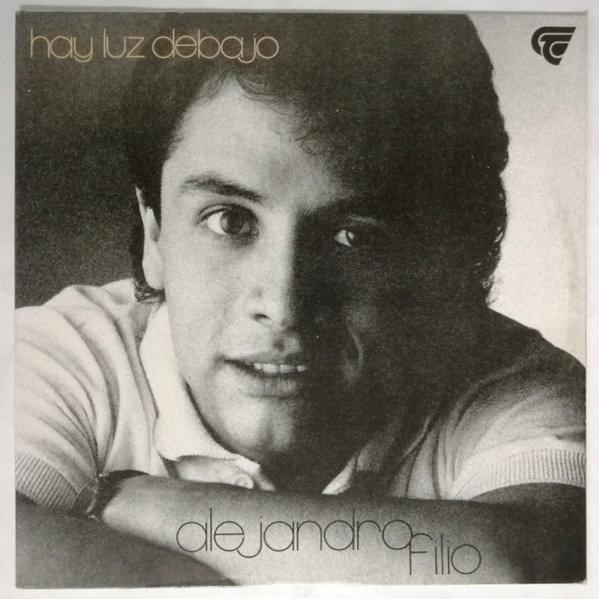
 View Artist