Song Meaning
The lyrics paint a picture of a small, seemingly idyllic country where people gather in the plaza to watch the sunset and greet each other with smiles on the street. The park is green, and balconies add color to the sidewalk, creating a scene of simple, communal happiness. This initial depiction establishes a tone of gentle nostalgia and contentment.
The central tension emerges as the narrator asserts the reality and value of this place, contrasting it with the harshness of the present. The lines "And it's true, don't think it was fictional / The craft still exists / Of dedicating oneself to dreaming" suggest that this idealized vision isn't just a fantasy but a lost or endangered way of life. The narrator emphasizes that believing in this ideal is more valuable than being grounded in a reality where "feet on the earth / get dirtier."
The most striking craft element is the direct, almost defiant assertion of truth and value. The narrator insists, "And it's true and it's worth more that you believe it." This isn't a passive observation but an active defense of a cherished memory or ideal. The subsequent declaration, "In this land, only truth exists / Democracy and freedom / No war, nor who gives more / The powerful, I don't care," solidifies this as a place defined by positive, foundational values, free from conflict and greed.
These lyrics resonate because they tap into a deep-seated longing for a simpler, more virtuous existence. The contrast between the remembered or imagined "aquel país" (that country) and the implied, dirtier reality of the present creates a poignant emotional weight. The writing’s power lies in its earnest, unwavering defense of an ideal, suggesting that holding onto such beliefs, even if they seem distant, is a source of profound strength and worth.
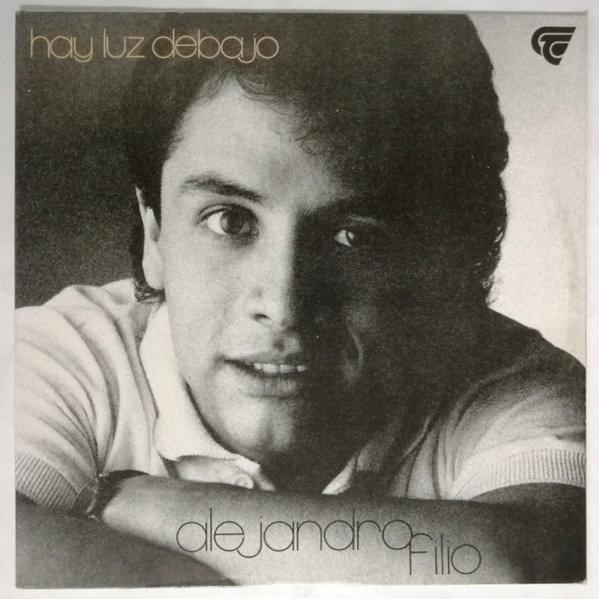
 View Artist