Song Meaning
These lyrics paint a stark picture of emotional distance, delivered with a firm, almost weary resolve. The speaker directly confronts someone who seems to misunderstand their intentions, setting clear boundaries. It's a definitive statement of separation, not an argument.
The central tension hinges on a profound lack of understanding. The repeated line, "Qué poco me conoces" (How little you know me), anchors the entire piece, highlighting the other person's misperception. The speaker dismisses the idea that their "sol" (sun, perhaps their attention or affection) still "Busca tu madrugada" (seeks your dawn), asserting that "no hay nada / O casi nada entre los dos." This isn't just a breakup; it's a correction of a lingering fantasy.
One of the most striking craft elements is the ironic contrast between physical intimacy and emotional ignorance. The speaker notes, "Quien sabe bien de todo / O casi todo esa es tu piel" (The one who knows everything / Or almost everything, that's your skin). This suggests a past physical closeness that never translated into true emotional insight. It's a sharp, almost painful observation, underscoring the depth of the other person's misunderstanding.
The lyrics culminate in a powerful assertion of agency and a final, almost dismissive, redirection. The speaker declares, "quien sale de tu vida / Ése soy yo" (the one who leaves your life / That's me), taking full ownership of the departure. The ultimate advice, "No intentes ser quien ama / Que no te va el papel" and to "mejor piensa / Un poco en él," delivers a final, unexpected twist, solidifying the speaker's complete detachment and signaling an irreversible shift.
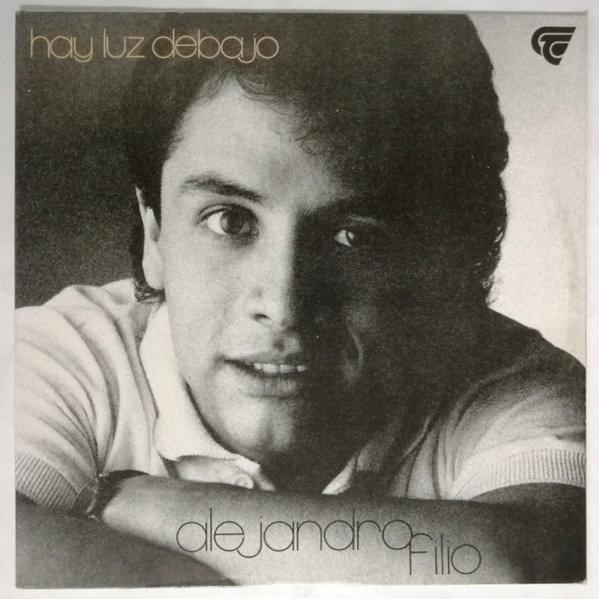
 View Artist