Song Meaning
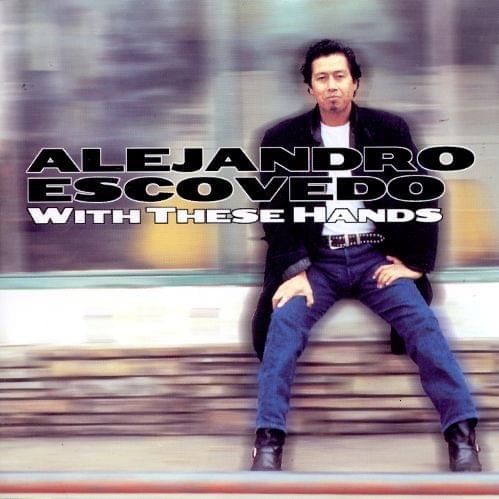
{"song_id": 15709442, "meaning": "Alejandro Escovedo’s \"With These Hands\" isn't just a song; it’s a visceral confrontation with despair and a defiant act of resilience. The opening imagery is stark: fire, screaming children, and the predatory figures lurking at the border. Escovedo doesn't shy away from depicting the brutal realities faced by vulnerable populations, suggesting a world where death is seen as the only solace for the impoverished. This sets the stage for a narrative steeped in crisis and the urgent need for escape. The repeated warnings to \"run for cover\" evoke a sense of immediate danger, a storm both literal and metaphorical that threatens to engulf everything in its path. The invocation of family—\"Father, son, Mother, daughter\"—underscores the universal nature of this struggle, highlighting the primal drive to protect loved ones in the face of overwhelming adversity. The river becomes a symbol of hope and healing, a place of refuge from the chaos and violence.
The core of the song's meaning lies in the repeated declaration, \"With these hands.\" It's a powerful statement of agency and resistance. In a world defined by suffering and oppression, Escovedo asserts the power of individual action. It's a refusal to be silenced or defeated, a commitment to fighting back against injustice using whatever means are available. The phrase transcends simple physical strength; it represents determination, creativity, and the unwavering spirit of those who refuse to succumb to despair.
As the song progresses, the sense of danger intensifies. The highway becomes a treacherous space, filled with shadows and unseen threats. Yet, even in the face of this darkness, a glimmer of hope emerges: \"Darker, Darker, Darker, I see the light.\" This line suggests that even in the deepest despair, the possibility of redemption remains. The final lines, \"Time comes when you no longer fear the night,\" speak to a profound transformation. It’s an acceptance of hardship, but also a transcendence of fear. The song ultimately becomes an anthem of courage and resilience, a testament to the enduring power of the human spirit to overcome even the most daunting challenges. Alejandro Escovedo uses the lyrics to paint a picture of struggle, hope, and ultimately, the power found within oneself to confront adversity. The song meaning, therefore, is not just about surviving, but about finding strength and purpose in the face of overwhelming odds."}
 View Artist