Song Meaning
Alejandro Escovedo's "One More Time" isn't merely a plea; it's a raw, exposed nerve of vulnerability disguised as a repeated request. The song meaning centers on a desperate yearning for redemption and a second chance, draped in imagery of rescue and solace. The opening lines paint a picture of utter helplessness: 'If you found me lost on your porch one night, would you take me in & hold me tight?' This isn't just about physical shelter; it's a profound craving for emotional sanctuary, for someone to rewrite a narrative spiraling towards disaster. The 'dream around my head' suggests a need to escape a harsh reality, even if only temporarily. It's a fragile hope clinging to the possibility of kindness.
The darker verses amplify this desperation. The lines 'If you found me hanging without a prayer, Would you cut me down and lay me there' are stark and unsettling. It's a metaphor for being at the absolute end, teetering on the edge of oblivion. The plea to 'wash the sins off my hands' speaks to a deep-seated sense of guilt and a longing for absolution. This isn't a casual request; it's a soul laid bare, begging for a clean slate. The 'lost buttons on my coat' and the inability to 'find the golden note' symbolize a loss of direction and purpose, a fumbling in the dark for something meaningful to hold onto. The repeated chorus, 'Just one more time,' becomes an almost frantic mantra, a desperate attempt to bargain with fate or a higher power.
Escovedo masterfully uses contrasting imagery of warmth and cold to further emphasize the song's core themes. 'The holes in the walls let the cold come in,' a stark acknowledgment of the harsh realities of life, is juxtaposed with the desire to 'use your skin to keep me warm.' This speaks to the fundamental human need for connection and intimacy as a shield against the world's relentless assault. The request for 'one more time' isn't simply about escaping consequences; it's about finding a flicker of hope, a reason to keep fighting in a world that often feels devoid of both. The song's power lies in its unflinching portrayal of vulnerability and the universal yearning for a second chance, a theme that resonates long after the music fades.
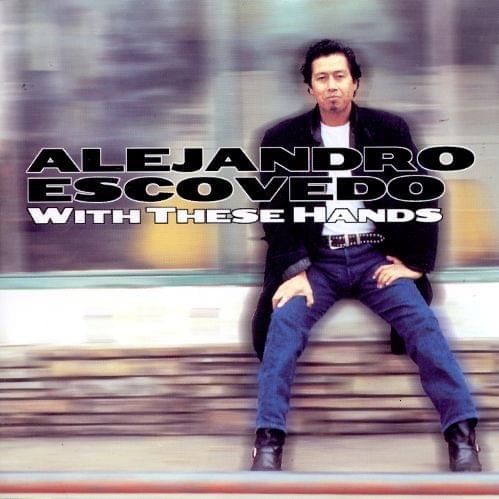
 View Artist