Song Meaning
The lyrics paint a vivid picture of a 'ciranda,' a traditional circle dance, that becomes a metaphor for the cyclical nature of life itself. The opening lines immediately establish this connection, linking the dance to the "samba de roda da vida" and emphasizing its continuous motion: "Que girou, que gira" (That turned, that turns). This circularity is visually represented by the "saia rendada" (lacy skirt) of the dancing maiden, suggesting a graceful, perhaps even beautiful, unfolding of existence.
The song then grounds this abstract concept in specific, evocative imagery tied to Brazilian culture and spirituality. The "força do bom Santo Amaro" (strength of good Santo Amaro) and the "águas que rodeiam a ilha de São Luis do Maranhão" (waters surrounding the island of São Luis do Maranhão) evoke a sense of place and purification. This spiritual and geographical context is further deepened by the image of a "negra" (Black woman) whose "torso" "rebola" (sways) and "curvas da vida da velha" (curves of the old woman's life) offer solace, consoling a crying child. This juxtaposition highlights the enduring spirit and wisdom found within the cycles of life, passed down through generations.
The core of the song lies in this powerful, recurring motif of the "roda" (wheel/circle) and its constant motion, the "gira" (spin/turn). The repetition of "A roda é pra rodar na gira / Da vida que roda" (The wheel is to turn in the spin / Of the life that spins) reinforces the idea that life's inherent nature is to move, to change, and to continue. The interjection "(olha a roda, olha a roda)" (look at the wheel, look at the wheel) acts as an invitation to observe and perhaps accept this perpetual motion. It suggests that within this continuous turning, there is a rhythm and a purpose, a dance that encompasses all aspects of existence, from the sacred to the mundane, from youth to old age.
Ultimately, the lyrics resonate because they capture a profound truth about life's flow through simple, yet potent, imagery. The 'ciranda' isn't just a dance; it's a living embodiment of continuity, resilience, and the interconnectedness of experiences. The song invites listeners to see the beauty and the inherent movement in their own lives, recognizing that like the 'roda,' life is always turning, always spinning, and always offering moments of grace and solace amidst its cycles.
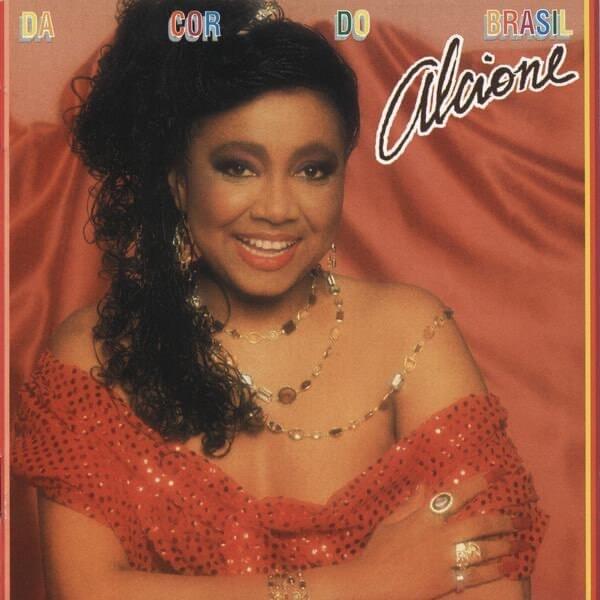
 View Artist