Song Meaning
This track is a vibrant ode to the "Mangueira" samba school, painting it as a central, almost mythical figure in the carnival landscape. The lyrics immediately establish Mangueira as "estação primeira" (first station) and "estação da primavera" (spring station), suggesting it's a foundational element and a source of renewal and beauty. The repeated call, "Ô Mangueira," acts as an invocation, drawing attention to its splendor and the anticipation of its arrival, as "a multidão te espera" (the crowd awaits you).
The core of the lyrics celebrates Mangueira's visual and emotional impact, particularly its "bandeira" (flag) which "pintaste a natureza" (painted nature). This imagery transforms the parade avenue into a "mata brasileira" (Brazilian forest) when adorned with the school's signature "verde e rosa" (green and pink) colors, revealing "a raíz do samba" (the root of samba). This connection to nature and roots elevates Mangueira beyond just a participant, positioning it as a living embodiment of samba's essence and a source of deep emotional resonance for its admirers.
The writing employs striking metaphors to capture Mangueira's unique status. It's described as "um jardim em pleno asfalto" (a garden in the middle of the asphalt), a powerful contrast highlighting its ability to bring natural beauty and life to an urban, man-made setting. Further, it's called "rosa aberta" (an open rose) and "a escola dos poetas" (the school of poets), emphasizing its delicate beauty and its sophisticated, artistic spirit. The lyrics also assert its dominance, calling it "a rainha do desfile principal" (the queen of the main parade) and noting that "até no nome é a primeira" (even in name it is the first), reinforcing its unparalleled position.
What makes these lyrics so effective is their ability to evoke a sense of awe and deep affection for Mangueira. By consistently linking the school to nature, art, and foundational importance, the lyrics build a portrait of an entity that is both visually stunning and culturally profound. The language is celebratory and reverent, creating an atmosphere of anticipation and admiration that mirrors the excitement of carnival itself, making Mangueira feel like a cherished icon.
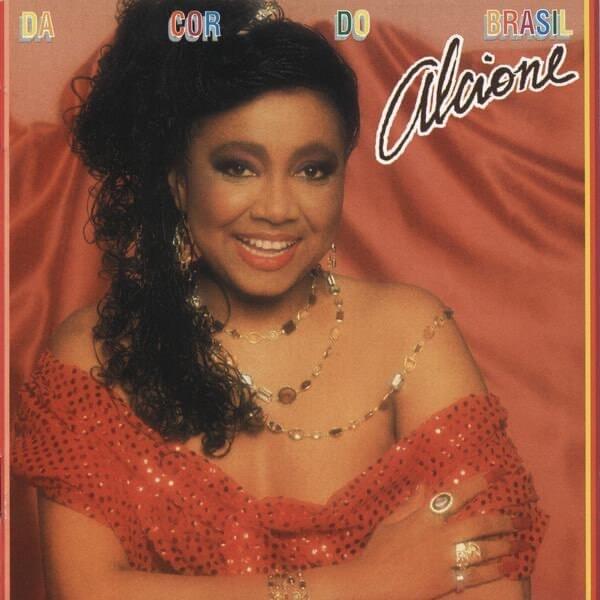
 View Artist