Song Meaning
The narrator acknowledges a past relationship where they gave freely, stating "Se ele pede eu dou, carinho" (If he asks, I give, affection). However, a profound shift has occurred, leading to the declaration, "Mas viver é melhor sozinha" (But living is better alone). This isn't a reluctant departure; it's a firm decision to reject further romantic entanglements, dismissing past experiences as mere "Brincadeira de amor" (Love games).
The core tension lies in the contrast between past generosity and present self-preservation. The repeated "eu dou" (I give) in the opening lines highlights a history of fulfilling a partner's desires. This is directly juxtaposed with the decisive "Não vou mais querer" (I won't want anymore) and the new definition of love: "Pique, rabo, emenda / Um, dois, três sai fora" (Quick, butt, mend / One, two, three out the door). This new approach is transactional and dismissive, signaling a complete reevaluation of what love means to the narrator.
The most striking element is the abrupt, almost percussive shift in tone and language. The initial tenderness gives way to a stark, rhythmic declaration of independence. The phrase "Um, dois, três sai fora" (One, two, three out the door) acts like a countdown, emphasizing the finality and speed of this exit. It’s a calculated, almost mechanical dismantling of the past, suggesting a desire for control and a rejection of emotional complexity.
This lyrical construction is effective because it mirrors the narrator's emotional journey from open-heartedness to decisive closure. The sharp contrast between the gentle opening and the blunt, rhythmic ending creates a powerful sense of liberation. The finality of "Foi muito bom / Mas chegou a hora" (It was very good / But the time has come) underscores that this isn't about regret, but about recognizing the end of a chapter and embracing a new, solitary path with conviction.
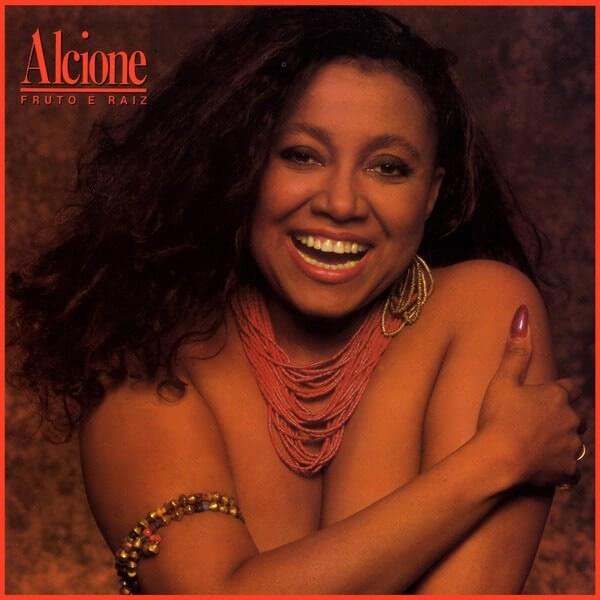
 View Artist