Song Meaning
The narrator is pleading with the accordion player, the 'sanfoneiro,' to keep the music going just a little longer. There's a palpable desire to prolong the moment, offering a little something extra to ensure the 'forró' doesn't end. This isn't just about dancing; it's about savoring a specific, intimate connection happening right now.
The core tension lies between the general revelry of the dance hall and the narrator's intensely personal experience. While others might be grabbing hands and spinning around, the narrator is focused on a private, almost clandestine, closeness. The lyrics describe being "agarradinho, é escondido" (clinging, hidden) in the shadows of the lamplight, emphasizing a desire for intimacy away from the crowd's gaze.
The writing uses a vivid metaphor to describe the woman: "Essa morena / É como corda de viola / Quanto mais a gente arroxa / Mais ela dá tom." This comparison suggests that the deeper the connection or the more intense the interaction, the richer and more resonant the experience becomes. It’s a clever way to articulate the escalating pleasure and deepening bond.
This focus on intimate, almost secret, connection within a public space is what makes the lyrics so effective. The narrator isn't just enjoying the music; they're using the music as a backdrop for a profound personal moment. The repeated desire to "chamegar" (to cuddle, to flirt intimately) and "balançar" (to sway) highlights a yearning for this specific kind of close, physical, and emotional engagement, making the simple act of dancing feel deeply significant.
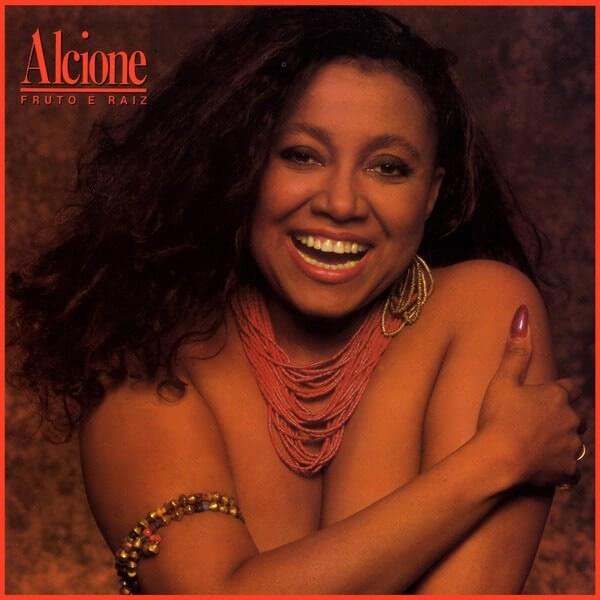
 View Artist