Song Meaning
The lyrics paint a picture of a past love that was both beautiful and deeply flawed. The opening lines acknowledge a period of flourishing, a time when the relationship was vibrant and full of life. However, this beauty is immediately juxtaposed with a plea for remembrance, suggesting that the relationship's end was marked by mistakes or regrets, specifically addressed to "minha rainha" (my queen).
The core of the song lies in its paradoxical description of the love. It's called a "doce tragédia" (sweet tragedy) and a "triste comédia" (sad comedy), highlighting a painful yet perhaps absurd quality. This love wasn't just affection; it's described as a "vício" (addiction) and a "desperdício de um copo vazio" (waste of an empty glass), implying a consuming, ultimately unfulfilling, and perhaps destructive dynamic.
The most striking imagery comes in the final stanza, contrasting the narrator recalls seeing the loved one smiling, only for that image to vanish. This fleeting happiness is then compared to the disappearance of "meninos de rua do meu Brasil" (street kids of my Brazil) in the night. This comparison is stark, linking the personal loss of a loved one's smile to a broader, societal image of vulnerability and disappearance, suggesting a profound sense of loss and perhaps social commentary.
This juxtaposition of personal romantic pain with a wider societal image is what gives the lyrics their potent emotional weight. The "sad comedy" of a love that was both beautiful and a waste, culminating in a vanishing smile that echoes a more profound societal disappearance, creates a complex feeling of regret, loss, and a lingering sense of the absurd.
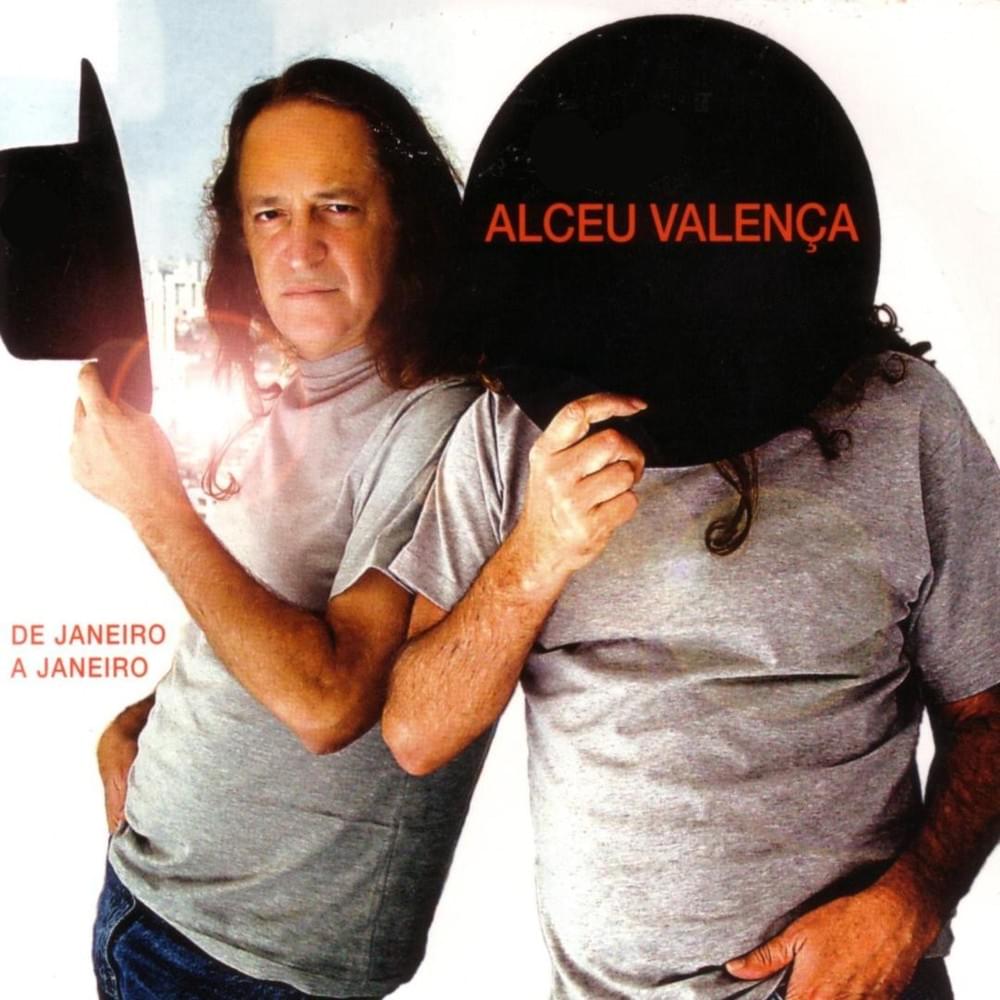
 View Artist