Song Meaning
The lyrics paint a vivid dreamscape, immediately establishing a tone of wistful longing. The opening lines, "Sonhei de cara, coração / Que sonho louco / Carregado de ilusão," set the stage for an experience that is both intense and unreal, driven by a powerful, perhaps unfulfilled, desire. The imagery of a "beautiful moon / spilled on the sidewalks" and a "silver ring" creates a romantic, almost magical atmosphere, suggesting a perfect, idealized moment.
The central tension emerges from the contrast between the dream's beauty and the harsh reality of waking up alone. The dream is filled with vibrant, hopeful imagery: "butterflies / coming out of the windows / coloring the spring." This explosion of life and color is directly juxtaposed with the abrupt awakening: "Without your arms I woke up." The "lace skirt / hanging on the balcony" that "has the color of hope" further emphasizes this yearning for a love that seems just out of reach, a hope tied to a memory.
The most striking element is how the dream's sensory details are tied to the memory of a past love. The narrator recalls the window and the love given to "her," a love so potent that "it stayed in me." This repetition of "Tão bom que em mim ficou" (So good that it stayed in me) highlights the lingering impact of this past affection, suggesting that the dream is not just a random fantasy but a manifestation of this enduring feeling. The final declaration, "It was a dream, my love!" serves as a poignant reminder of the present reality, underscoring the gap between the remembered bliss and the current solitude.
These lyrics resonate because they capture the bittersweet ache of remembering a profound connection. The craft lies in the delicate balance of dreamlike fantasy and grounded, sensory details like the moonlit streets and the lace skirt. The emotional weight comes from the narrator's inability to fully let go of a past love, which continues to color their present experience, even in dreams. The dream itself becomes a testament to the lasting power of that past joy.
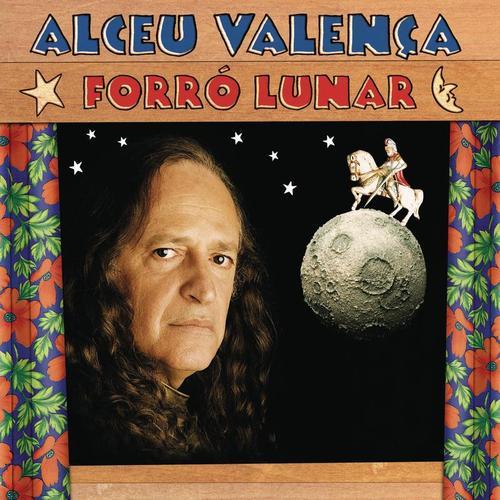
 View Artist