Song Meaning
The lyrics paint a picture of someone arriving from an unknown, distant past, carrying a hidden dream through a prolonged period of waiting. There's a sense of disorientation, as the narrator admits, "Já não sei de onde / Esqueci" (I no longer know from where / I forgot), suggesting a journey that has blurred the origins of their quest.
The dominant emotional tension arises from this protracted wait and the act of self-preservation. The narrator "Mergulhei no tempo / Para me salvar" (I dove into time / To save myself), implying that time itself became a refuge or a means of escape during this arduous period. This immersion in time, coupled with the phrase "Venho escondendo um sonho" (I come hiding a dream), creates a feeling of vulnerability and quiet determination.
A striking image is the comparison to butterflies in spring: "E como as borboletas / Numa primavera" (And like the butterflies / In a spring). This evokes a sense of natural, perhaps inevitable, transformation and emergence after a period of dormancy. However, this delicate imagery contrasts with the stark reality of their arrival, being "Na mão da história" (In the hand of history), suggesting a journey shaped by larger forces rather than just personal will.
Ultimately, the effectiveness of these lyrics lies in their evocative ambiguity and the palpable sense of anticipation. The narrator's arrival is not a triumphant declaration but a hesitant, almost weary, statement of presence: "Venho / E só sei que venho" (I come / And I only know that I come). The final line, "Espero por você" (I wait for you), grounds the entire journey in a singular, unresolved purpose, leaving the listener to ponder the nature of the dream and the identity of the awaited.
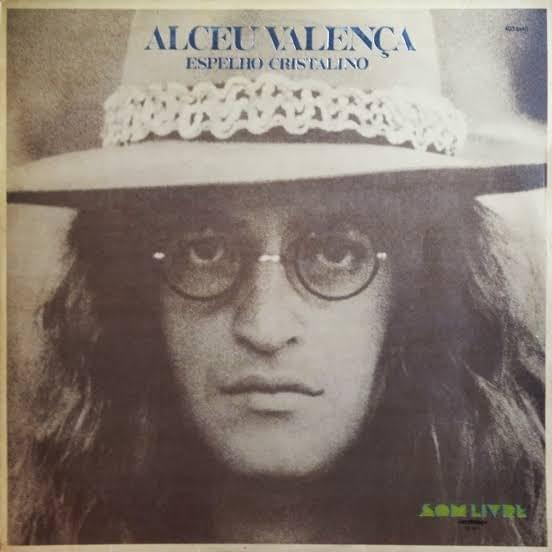
 View Artist