Song Meaning
The narrator articulates a desire for a serene, expansive space, a "terrace with glass tiles / on the edge of a lake / of blue waters." This imagined sanctuary is designed for observation and connection, featuring "four windows / open to the world" that reveal "the cardinal points." The wish for a "battery-powered radio / turned on / in the same second / in four seasons" suggests an ambition to simultaneously experience diverse realities and sounds, to "feel the yawn / of the world's mouth" and "hear in a second / two hundred songs."
The core tension emerges in a rejection of imposed perspectives and suffering. The narrator explicitly states, "I don't want this finger / on Pedro's face / nor do I want for Paul / the weight of the Cross." This signifies a refusal to accept traditional narratives of martyrdom or judgment, framing them as "points of view / of two blind eyes." The contrast between these "blind eyes" and the desired "points of light" underscores a yearning for clarity and authentic perception over dogma.
The lyrics powerfully employ sensory details to contrast the desired peace with a chaotic reality. The imagined space is filled with the gentle sounds of nature and music, but the rejection section erupts with visceral, violent imagery: "this mouth / gushing inwards / words and screams / and shouts and light / and tongues and lips / and bleeding teeth / in the slap, in the shout / in the arm and the punch." This stark juxtaposition highlights the narrator's deep aversion to conflict, aggression, and overwhelming, destructive communication, preferring instead a state of open, receptive awareness.
This lyrical construction is effective because it grounds abstract desires in concrete, evocative imagery. The initial vision of the lake and the terrace creates a palpable sense of calm, while the later explosion of violent sounds and actions makes the rejection of that chaos intensely felt. The shift from expansive, multi-sensory reception to a claustrophobic, aggressive onslaught of noise and violence powerfully communicates the narrator's profound need for peace and authentic connection over imposed understanding.
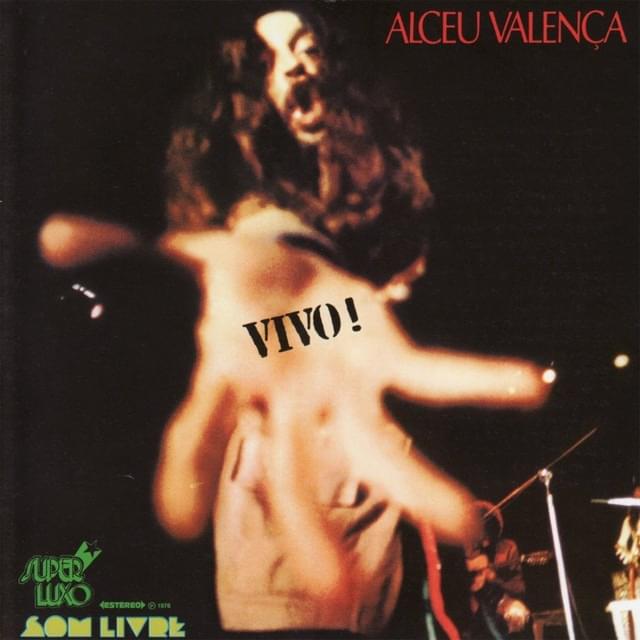
 View Artist