Song Meaning
The lyrics paint a vivid, almost dreamlike picture of windmills, specifically referencing "Moinhos de Holanda" and "Moinhos das Índias Ocidentais." These aren't just static images; they are presented as active forces, "Moinhos que sopram a dor dos meus ais," suggesting a connection between these distant, iconic structures and the narrator's personal sorrow. The repetition of "Moinhos" grounds the piece in this central, recurring motif.
The core tension seems to lie in the narrator's attempt to process or escape their pain through these expansive, geographical references. The windmills, whether of Holland, the West Indies, or The Hague, become conduits for their "dor" (pain) and "ais" (sighs). This creates a fascinating contrast between the mechanical, enduring nature of the windmills and the ephemeral, emotional burden they are made to carry.
The imagery expands to include "Coqueiros de Olinda" and "canaviais," further layering geographical locations and natural elements. The narrator's "olhos de águia" (eagle eyes) are positioned to observe these distant "canaviais" (sugarcane fields) from afar, implying a sense of longing or detachment. The windmills are described as "Girando nos ventos, chamados terrais," which suggests they are both turning with earthly winds and perhaps responding to earthly calls, further intertwining the natural world with the narrator's internal landscape.
Ultimately, the effectiveness of these lyrics stems from their ability to transform commonplace objects and distant landscapes into potent emotional vessels. The narrator uses these specific, almost exotic references to give form to their abstract pain, creating a unique and evocative expression of sorrow that feels both personal and expansive.
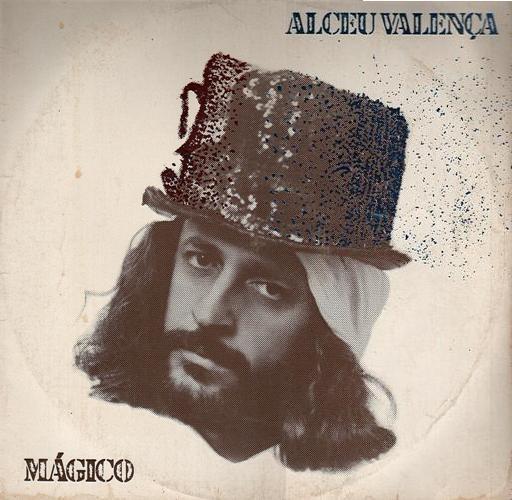
 View Artist