Song Meaning
The lyrics paint a vivid sonic and visual landscape, evoking a powerful sense of ancestral memory and displacement. The opening lines establish a percussive foundation with "Zabumba de bombos" and "Batuques de ingonos," immediately immersing the listener in a rhythmic, almost ritualistic atmosphere. This is juxtaposed with the jarring image of "Estouro de bombas," suggesting a disruption or violence underlying the tradition. The repeated question, "Loanda, Loanda, aonde estás?" acts as a mournful refrain, a search for a lost origin or homeland.
The imagery shifts to the celestial and the personal with "As luas crescentes / De espelhos luzentes." This section introduces elements of adornment and identity – "Colares e pentes / Queixares e dentes" – hinting at a rich cultural heritage. However, the recurring plea for Loanda, now shifting to "aonde estou?" (where am I?), reveals a profound disorientation and a questioning of present identity in relation to this lost place. The river crossing, "A balsa do rio / Cai no corrupio," further emphasizes this sense of being adrift, a journey that takes an unexpected and perhaps perilous turn "Que nunca sonhou."
The true power of these lyrics lies in their evocative, fragmented nature. The contrast between the grounding, earthy rhythms and the anxious, searching questions creates a palpable tension. The lyrics don't offer explicit answers but instead capture the feeling of being disconnected from one's roots, a haunting echo of a past that is both present in its memory and absent in its reality. This creates a deeply resonant emotional core, speaking to a universal experience of searching for belonging.
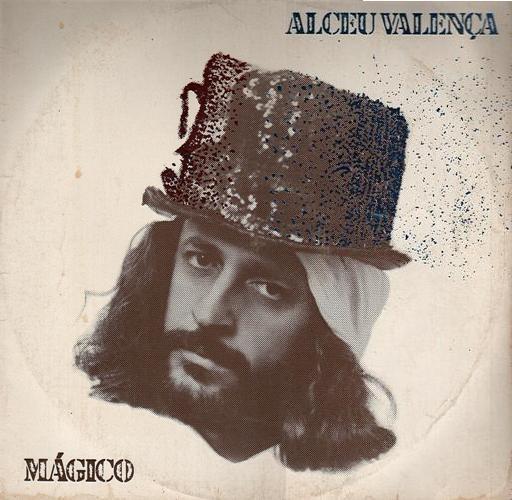
 View Artist