Song Meaning
The narrator paints a picture of a solitary, watchful existence, comparing themselves to a "cat in the night." This feline imagery immediately establishes a tone of nocturnal vigilance and perhaps a touch of aloofness. The opening lines, "Ai meus olhos de vigia / Se choram de madrugada / Deságuam no meio dia," suggest a deep, persistent sadness that lingers even as the day begins, blurring the lines between night and day, sorrow and wakefulness.
The central tension lies in a desire for unburdened freedom versus the inescapable reality of their present state. The narrator yearns to "cross the dawn / Without thinking of the next day," to move without the need for constant self-correction or "acrobatics / To balance myself in time." This longing for a simpler, less conscious existence is palpable, a wish to simply spin like a weather vane, changing direction effortlessly.
However, this freedom is unattainable. The persistent "eyes of vigilance" see everything but can do nothing, a frustrating paralysis. The repeated phrase "Chuva de olho é sangria" (Eye rain is bleeding) powerfully links emotional outpouring – tears – to a draining, almost violent physical release, emphasizing the painful cost of this internal struggle. The heart, instead of finding solace, "dries up in bitterness."
Ultimately, the lyrics convey a profound sense of being trapped by one's own awareness and the weight of time. The imagery of the watchful cat and the bleeding tears creates a vivid portrait of internal conflict, where the desire for release is constantly thwarted by an unyielding perception. The final lines about "Maracatu" seem to offer a fleeting connection to a cultural heritage, perhaps a brief moment of grounding before the persistent melancholy returns.
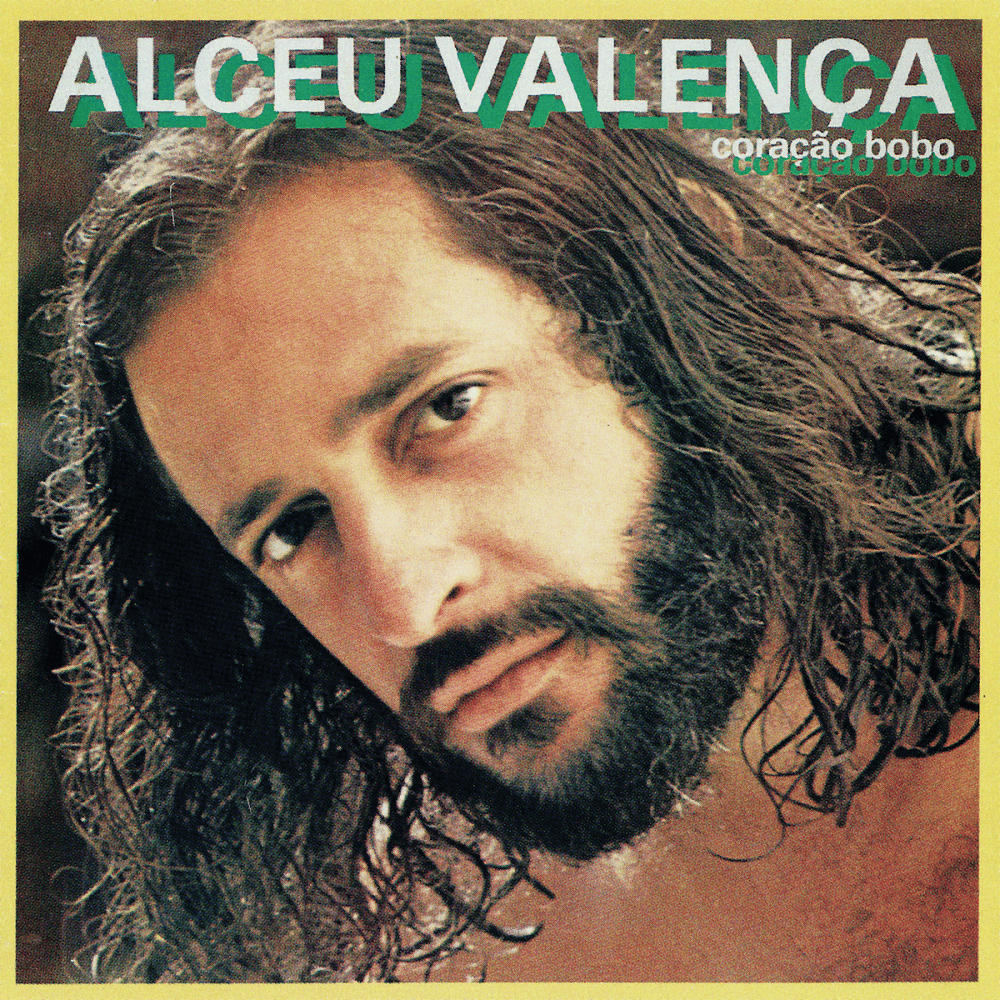
 View Artist