Song Meaning
The lyrics paint a vivid picture of a dynamic, almost chaotic, musical and social scene. The repeated "Embola" acts as a driving force, suggesting a mixing or stirring of elements. It starts with musical forms like "Forró," "Surdo," and "Samba," then expands to include "A Massa" (the crowd) and even "O Concreto" (concrete) being "embolado" in a "caçamba" (truck bed). This imagery creates a sense of raw energy and a fusion of the organic with the industrial.
The core tension seems to lie in this energetic, perhaps overwhelming, amalgamation. The "Embola A Rima" and "O Trava-língua" (tongue-twister) point to the intricate and playful nature of the lyrical performance, while "O Povo É Bamba" (the people are skilled/tough) highlights the active participation and resilience of the community. The "Balalaica" (a stringed instrument) being "Embolada" further emphasizes the blending of diverse cultural influences into a singular, moving force.
The most striking craft element is the relentless repetition of "Embola," which functions like a rhythmic chant, pulling disparate concepts together. The juxtaposition of "Forró" and "Samba" with "Concreto" and "Caçamba" is particularly effective, suggesting that the vibrant, improvisational spirit of the music and the people can even incorporate the harsh realities of urban or industrial life. The final line, "E O Verso Anda!" (And the verse walks/moves on!), provides a sense of forward momentum and enduring creativity.
This lyrical construction is effective because it uses a simple, repetitive structure to build a complex, layered image of cultural fusion and resilience. The direct, almost percussive language, combined with unexpected pairings, creates a powerful sense of movement and vitality. It's a celebration of how art and community can absorb and transform their surroundings, keeping the creative spirit alive and moving forward.
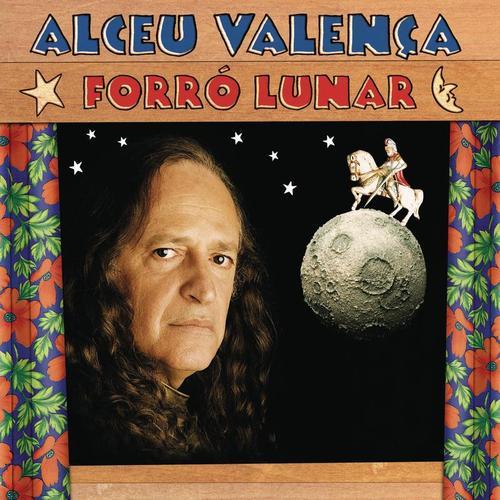
 View Artist