Casamento Da Raposa Com O Rouxinol
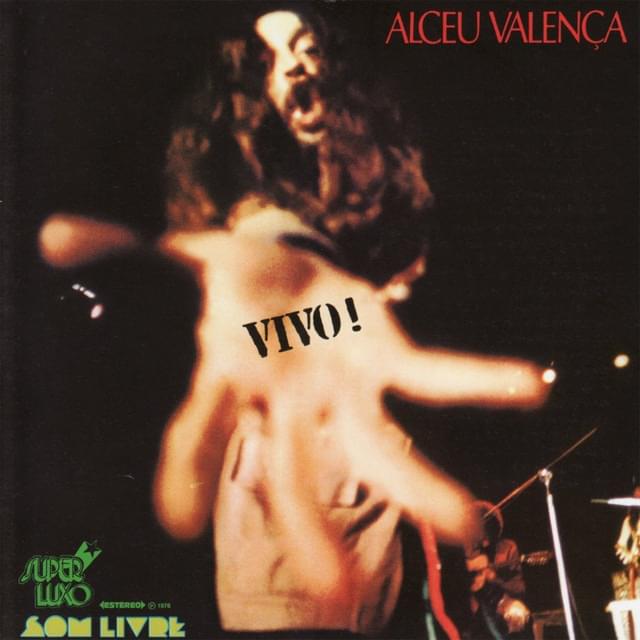
Alceu Valença - Pop, Em Português
Casamento Da Raposa Com O Rouxinol
0 Plays
Duration: 6:05
 View Artist
Lyrics
Language:
Ela sempre teve medo Dos pingos da chuva E ele sempre teve medo Dos raios do sol E ele sempre teve medo Do sol, da chuva Do casamento da raposa com o rouxinol E ele sempre teve medo De abrir a boca Ela sempre teve medo De perder a voz Ele sempre teve medo De mirar a louça Quebrar a mesa E não poder voltar atrás Ele sempre teve medo Dois raios da chuva E ela sempre teve medo Dos pingos do sol E ele sempre teve medo Do sol, da chuva Do casamento da raposa com o rouxinol E ele sempre teve medo De abrir a boca Ela sempre teve medo De perder a voz Ele sempre teve medo De mirar a mesa Quebrar a louça E não poder voltar atrás
Rate this song
0/5.0 - 0 Ratings
5
0.0% (0)
4
0.0% (0)
3
0.0% (0)
2
0.0% (0)
1
0.0% (0)
Loading comments...
Credits
- Writers
- Alceu Valença