Song Meaning
The narrator casts themselves as a "beija-flor" – a hummingbird – flitting from flower to flower, or in this case, a lover to a lover. This establishes an immediate tone of fleeting passion and perhaps a touch of restlessness. The repeated declaration, "dou um beijo e vou embora" (I give a kiss and leave), underscores a pattern of brief encounters. The imagery is direct and sensual, painting a picture of someone who engages intimately but doesn't linger.
The core tension arises from the contrast between this transient nature and a deep-seated desire for intense connection. The lyrics express a yearning for a "grau" (degree) that will make their "corpo pegar fogo" (body catch fire), suggesting a need for a passion that burns hotter than these quick kisses. This hints at an internal conflict: the habit of moving on versus the longing for a more profound, consuming experience, asking "Quem agenta esse sufoco?" (Who can handle this suffocation?).
What's particularly striking is the direct address and the shift in intensity. The narrator moves from the hummingbird metaphor to a more urgent plea: "Me diga morena o que vamos fazer / Amar, sentir prazer" (Tell me, dark-skinned girl, what are we going to do / Love, feel pleasure). This direct questioning, coupled with the explicit declaration "Eu te desejo / Quero um beijo sem demora" (I desire you / I want a kiss without delay), amplifies the immediate, almost desperate, need for connection. The comparison "Como um beija-flor a flora" (Like a hummingbird to the flower) then circles back, but now imbued with the weight of this expressed desire, suggesting the ephemeral act is also the desired state.
This lyrical construction is effective because it grounds a potentially abstract feeling of restlessness in vivid, relatable imagery. The hummingbird metaphor is simple yet potent, capturing both the grace and the ephemerality of the narrator's actions. The direct, almost raw expression of desire in the middle sections creates an emotional arc, moving from a detached observation of self to an urgent, personal plea, making the final return to the metaphor feel more emotionally charged and complex.
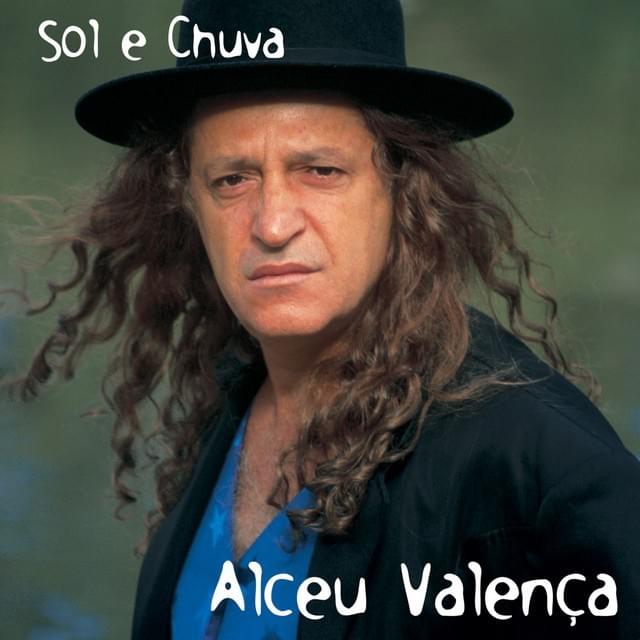
 View Artist