Song Meaning
This song paints a picture of a solitary search through Rio de Janeiro, a journey that begins with a specific, personal quest. The narrator walks from Ipanema to Baixo Leblon, composing the song as they go, driven by the desire to find someone. This initial scene is grounded in the vibrant, familiar landscape of Rio, setting a tone of longing against a backdrop of urban movement. The act of composing while walking suggests a fluid, unfolding emotional state, mirroring the search itself.
The emotional core shifts from a personal search to a broader identification with the "povo brasileiro" – the Brazilian people. The narrator compares themselves to an "abandoned dog," a stark image that introduces a sense of collective abandonment and perhaps a shared feeling of being lost or overlooked. This connection elevates the personal quest into a commentary on national sentiment, suggesting that the individual's longing resonates with a larger, more widespread feeling within Brazil. The repeated phrase "Andar, andar" emphasizes the persistent, perhaps aimless, nature of this movement and search.
The lyrics skillfully weave together personal desire and national identity. The narrator calls out to everyone, "asking for my love," but this personal plea becomes a metaphor for a deeper, more universal yearning. The transformation of everything into "desire" and the conjugation of "desires" born from the verb "to love" suggest that this fundamental human drive is at the heart of both personal connection and national belonging. The imagery of "anil sky," "Serra do Mar," and "pau-brasil" evokes a strong sense of place and national pride, which is then contrasted with the divisive actions of "elites."
Ultimately, the song's power lies in its ability to connect intimate longing with a critique of societal division. The "sad square of peace" is a poignant closing image, suggesting that even in places meant for harmony, the nation is fractured. The narrator's persistent "andar, andar" becomes a symbol of a continuous, perhaps unfulfilled, search for connection and unity in a country marked by both natural beauty and social stratification. The writing effectively uses the personal narrative as a lens through which to view collective experience and national identity.
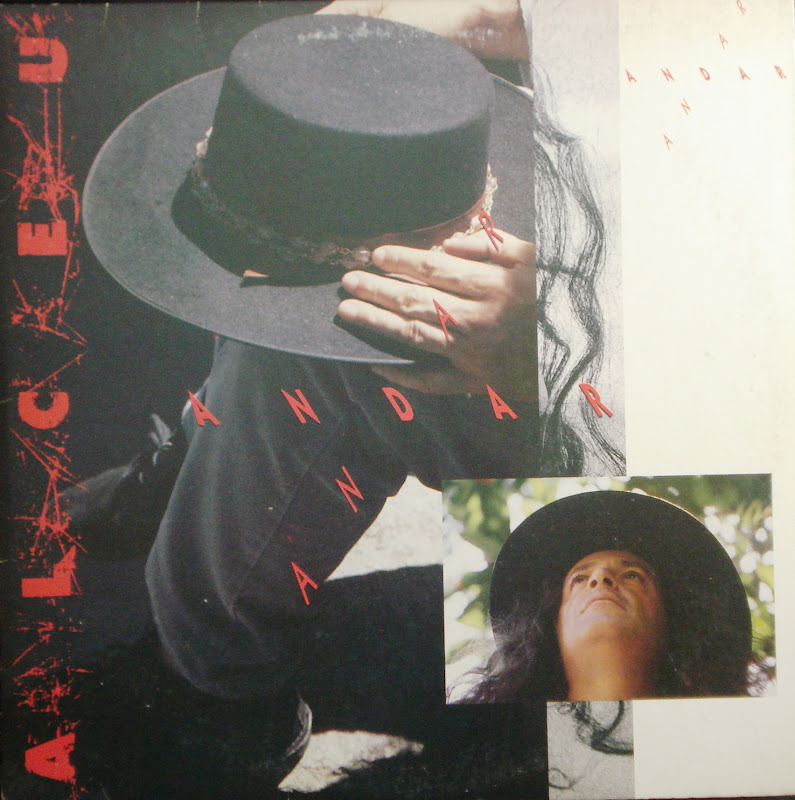
 View Artist