Song Meaning
The lyrics paint a picture of a city that feels both familiar and overwhelming, centered around a mysterious young woman named Virgínia. She's described as being the narrator's age, yet she's elusive, repeatedly hiding "behind the glass of any corner." This creates an immediate tension: a desire for connection met with an unyielding shyness or avoidance, leaving the narrator in a state of perpetual waiting.
The dominant force in this urban landscape is the relentless "car, Virgínia, runs over, runs over." This powerful, repeated image isn't just about traffic; it suggests a destructive, indifferent momentum that crushes everything in its path – "the hurry, girl, runs over," "the feet of these people, runs over," and most critically, "life head-on, runs over." The city itself, and the forces within it, seem to be a constant, brutal pressure.
The lyrics introduce a fascinating duality for Virgínia. She's called "Virgem Maria" and later "Virgem Virgínia," evoking purity and perhaps a saintly or idealized image, yet she's also labeled "the crazy one, the madwoman of the court." This contrast suggests someone who is perhaps too pure or too unconventional for the harsh reality of the city, leading to her being ostracized or seen as an outsider, like a "madwoman" in an "aquarium."
Ultimately, the song captures a feeling of being caught in a suffocating environment where genuine connection is thwarted by external forces and internal hesitations. The final line, "Virgem Virgínia is over, this city runs over, runs over, runs over..." signifies a loss, perhaps of innocence or of the possibility of that connection, as the city's destructive pace continues unabated, leaving only a sense of being crushed.
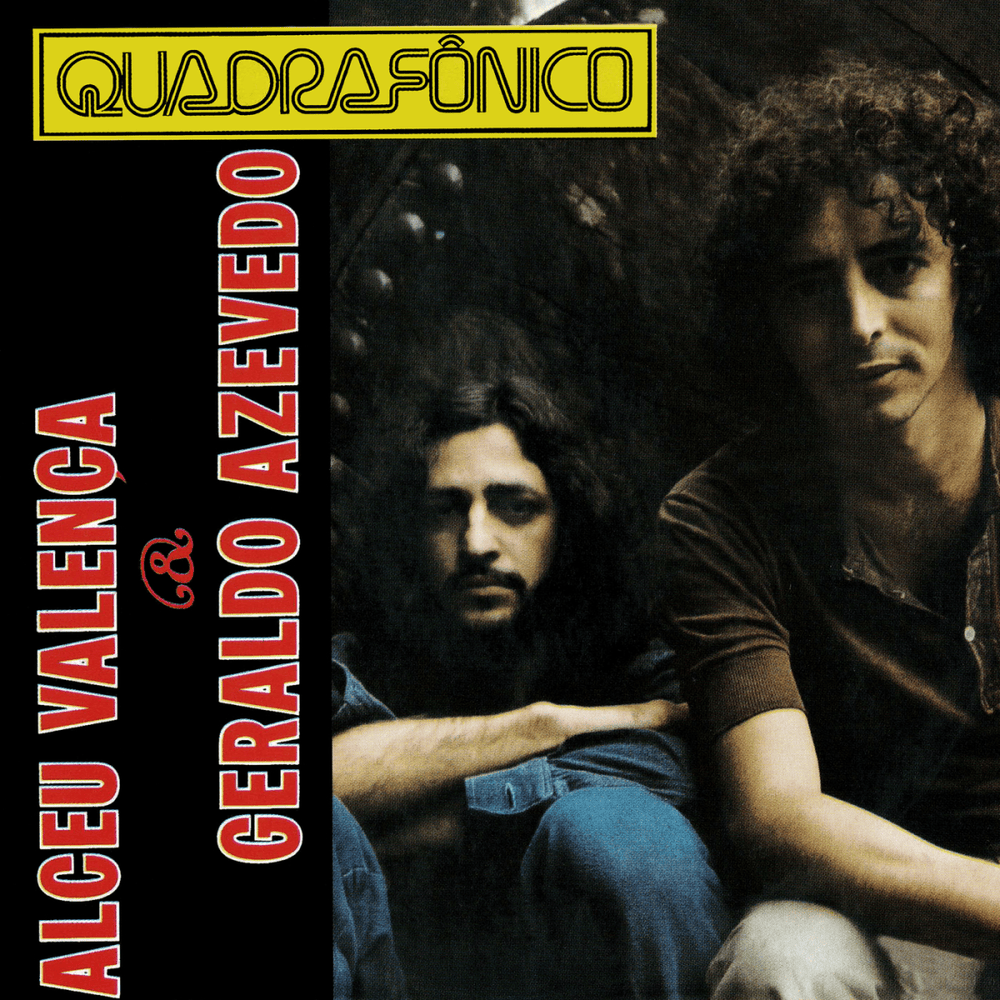
 View Artist