Song Meaning
The lyrics paint a vivid picture of a community, likely during Carnival, where outward festivity masks underlying hardship. The recurring image of "morena na jinela" (brunette in the window) enjoying the "carnavá" (Carnival) while the chorus laments "Eita, sofrê" (Oh, suffering) and "Ê, tanto pená" (Oh, so much pain) establishes this central contrast immediately. It suggests a disconnect between the spectacle of celebration and the lived reality of its participants.
The core tension arises from the question "Pra que tanto carnaval?" (Why so much Carnival?), posed directly after mentioning "Rio Preto vai passando" (Rio Preto is passing by). This implies a weariness with forced celebration when facing difficult circumstances, especially the existential query, "Pra que ter que se ir em frente / Depois do ponto final?" (Why must one go forward / After the period?). It speaks to a deep exhaustion and questioning of purpose.
The writing crafts a poignant sense of decay and struggle through specific details. An "estandarte desbotado" (faded banner) and "alegria disfarçada" (disguised joy) highlight the superficiality of the celebration. The mention of "Dez mil réis daquela rifa" (ten thousand reis from that raffle) grounds the poverty, while the image of "Nezinha / Pulando numa perna só" (Nezinha / Jumping on one leg) and "Sá Maria das Dores" (Mrs. Mary of Sorrows) evoke profound hardship and a collective "nó" (knot) in the throat associated with "Rio Preto."
This emotional weight is amplified by the juxtaposition of the vibrant, almost taunting, "morena na jinela" scene with the narrator's profound sorrow. The lyrics effectively use repetition of the suffering chorus to hammer home the persistent hardship, making the fleeting glimpses of festivity feel almost cruel. The final lines, echoing the initial scene, leave the listener with the lingering feeling of a cycle of suffering that continues despite, or perhaps because of, the surrounding revelry.
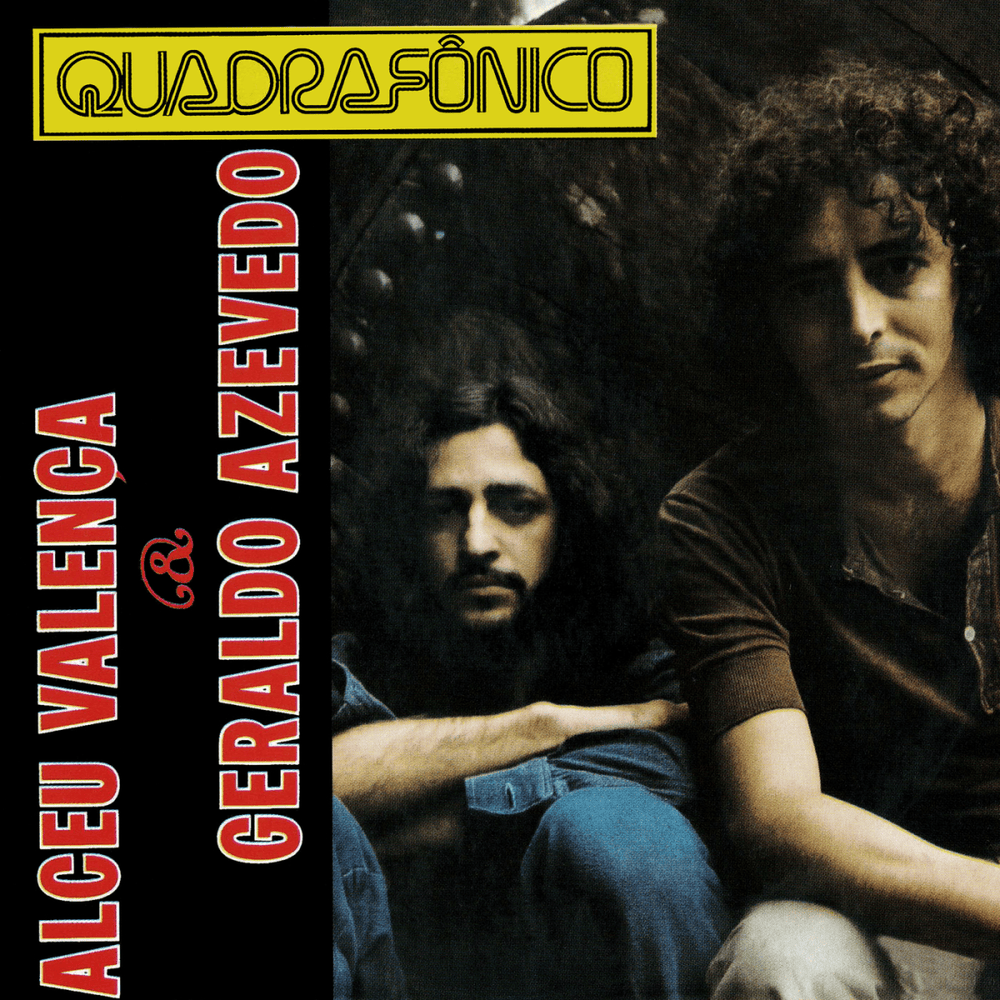
 View Artist