Agalopado
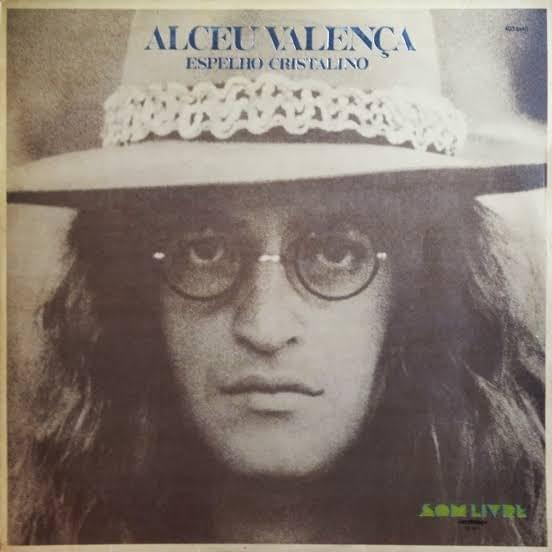
 View Artist
Lyrics
Language:
Quando eu canto o seu coração se abala Pois eu sou porta-voz da incoerência Desprezando seu gesto de clemência Sei que meu pensamento lhe atrapalha Cego o sol seu cavalo de batalha E faço a lua brilhar no meio-dia Tempestade eu transformo em calmaria E dou um beijo no fio da navalha Pra dançar e cair nas suas malhas Gargalhando e sorrindo de agonia Se acaso eu chorar não se espante O meu riso e o meu choro não têm planos Eu canto a dor, o amor, o desengano E a tristeza infinita dos amantes Don Quixote liberto de Cervantes Descobri que os moinhos são reais Entre feras, corujas e chacais Viro pedra no meio do caminho Viro rosa, vereda de espinhos Incendeio esses tempos glaciais
Rate this song
0/5.0 - 0 Ratings
5
0.0% (0)
4
0.0% (0)
3
0.0% (0)
2
0.0% (0)
1
0.0% (0)
Loading comments...
Credits
- Writers
- Alceu Valença