Song Meaning
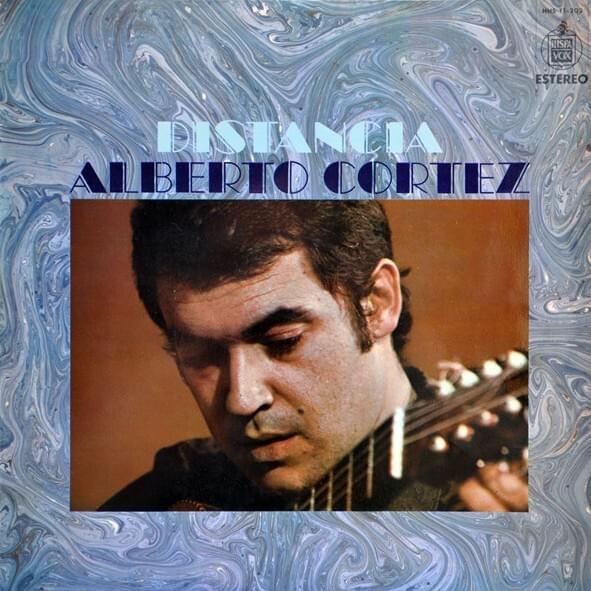
Alberto Cortez's "Distancia" isn't just about physical separation; it's a poignant exploration of the emotional chasm created by time and experience. The recurring word, "distancia" (distance), acts as a haunting echo, not merely labeling space but embodying the unbridgeable gaps between past selves and present realities. Each verse layers on a different facet of this distance: the geographical remove from his childhood town, the temporal remove from first love and youthful joy, and the existential remove from old friends whose fates are now unknown. This repetition drives home the central theme: the relentless and often painful fragmentation of a life lived. The distance isn't just *there*; it *is* the feeling. The verses function as a lament.
Cortez masterfully uses simple imagery—"viento, campos y caminos" (wind, fields, and roads)—to evoke a sense of longing. These aren't just landscapes; they're markers of journeys taken, of paths that have led him away from the sources of his early happiness. The "calles amigas" (friendly streets) of his youth contrast sharply with the implied anonymity of his present. Even the "primer amor" (first love), a universal symbol of nascent joy, is tinged with melancholy, described as "dormida / Entre la niebla del tiempo" (asleep / In the fog of time). It's not just gone; it's faded, obscured, almost irretrievable. The lyrics analysis reveals a profound sense of loss, not just for what *was*, but for the impossibility of ever truly returning to it.
The repeated desire for "un corazón de guitarra" (a guitar heart) speaks to the artist's yearning to articulate the depth of his feelings, to bridge these distances through music. The guitar becomes a metaphor for emotional expression, a tool to communicate the inexpressible. In the final verse, the longing shifts from a mere guitar heart to "un corazón sin distancia" (a heart without distance), highlighting a deep desire for reconnection and wholeness. Ultimately, "Distancia" is a sophisticated meditation on memory, loss, and the enduring power of place. It's a song about the distances that accumulate within us, shaping who we are and haunting us with the ghosts of who we once were. The final return to the sentiment “Que sigo amando a mi tierra… Cuando me marcho tan lejos” (That I still love my land… when I leave so far away) highlights how the memory of the land is not enough to overcome the distance itself.
 View Artist