Song Meaning
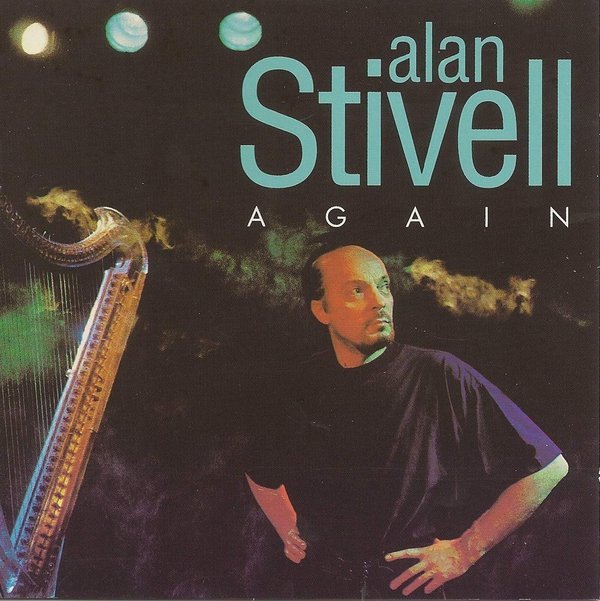
Alan Stivell's rendering of "The Foggy Dew" is less a straightforward war song and more a lament steeped in Irish nationalism and the somber realities of sacrifice. The song's power lies in its stark contrast: the ethereal beauty of the "Angelus bell o'er the Liffey's swell" against the grim backdrop of rebellion and death. The "foggy dew" itself becomes a potent symbol, obscuring not only the physical landscape but also the moral complexities of armed conflict. It represents a world shrouded in uncertainty, where ideals clash with the brutal consequences of their pursuit. The opening verses establish a sense of solemnity, a quiet march towards an inevitable confrontation.
The song's core meaning resides in the tension between national pride and the cost of freedom. The lyrics boldly proclaim it "better to die 'neath an Irish sky / Than at Suvla or Sudal Bar," directly contrasting the fight for Irish independence with the British war effort in World War I. This juxtaposition highlights the perceived futility of fighting for a foreign power when the struggle for self-determination remains unresolved at home. The "strong men came hurrying through" suggests a groundswell of popular support, a nation united in its desire for liberation. Yet, this fervor is tempered by the looming presence of "Brittania's sons with their long-range guns," a stark reminder of the imbalance of power and the likely outcome of the uprising.
The final verse is the most emotionally resonant, shifting from a collective narrative to a deeply personal reflection. The narrator's "heart with grief was sore" underscores the devastating impact of loss. The recurring image of the "foggy dew" now carries the weight of remembrance and mourning. The concluding lines, "For slavery fled, oh glorious dead / When you fell in the foggy dew," offer a complex and perhaps bittersweet consolation. The fallen are glorified for their sacrifice, but the lingering sense of sorrow suggests that the price of freedom is never truly without its cost. Stivell's interpretation transforms a historical event into a timeless meditation on nationalism, sacrifice, and the enduring power of memory.
 View Artist