Song Meaning
Alan Stivell's "Druidic Lands" isn't just a song; it's a sonic invocation, a ritualistic chant steeped in Celtic mysticism. The track, with its blend of Breton and French lyrics, acts as a modern-day bard's call to the ancient world. Stivell, a master of the Celtic harp, uses language itself as a conduit to connect with the primal forces of nature and the forgotten wisdom of the Druids. The repetition of "Drouizied" (Druids) functions as a mantra, a grounding point in a world increasingly disconnected from its roots. It's less a narrative and more an atmosphere, an experience designed to transport the listener to a sacred grove. The song’s meaning lies not in a linear story, but in the cyclical dance of opposites and the inherent interconnectedness of all things.
The lyrics, though sparse, are rich in symbolic weight. Phrases like "Kalc'h ha bronn… Dir ha tan… Heol a loar… Dour, Douar…" (Verge and breast, steel and fire, sun and moon, water, earth) paint a picture of elemental forces in constant interplay. This juxtaposition of masculine and feminine, light and dark, reflects a holistic worldview where balance is paramount. It’s a deliberate rejection of simplistic binaries, suggesting that true understanding comes from embracing the complexity of existence. The mention of animals – boar, horse, dog, swan – further anchors the song in the natural world, reminding us of our kinship with all living creatures.
Ultimately, "Druidic Lands" is a meditation on the enduring power of ancient knowledge and the importance of reconnecting with the earth. The "alc'houez" (key) and "hent" (path) offered by the Druids represent a way of seeing the world that transcends the limitations of modern thought. Stivell doesn't present this as a nostalgic yearning for a lost past, but as a vital resource for navigating the present and future. The song's meaning resonates in its suggestion that the wisdom of the Druids – their understanding of nature's cycles, their respect for the interconnectedness of life, and their ability to find meaning in the mundane – remains profoundly relevant in our contemporary world.
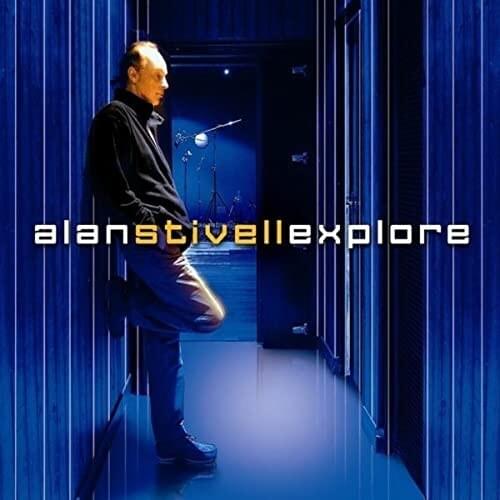
 View Artist