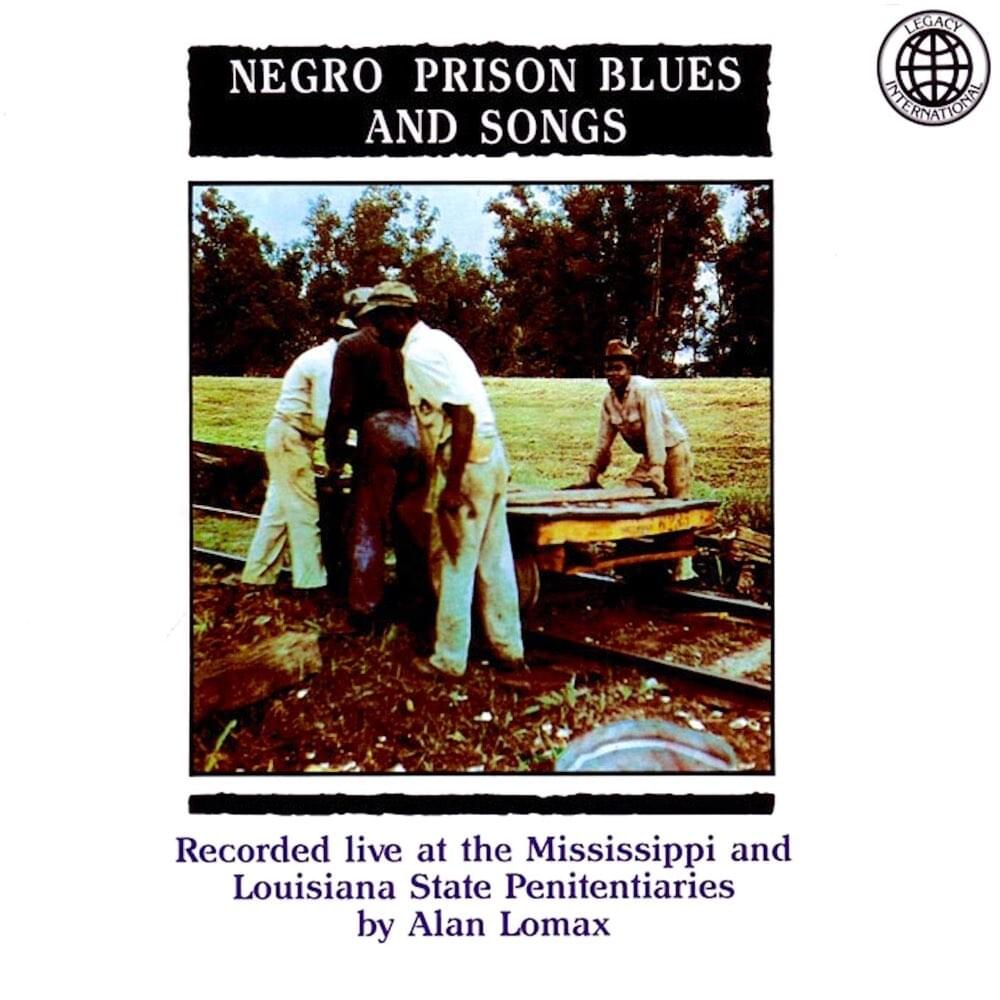
Song Meaning
Alan Lomax's haunting lament, "Murder's Home," is a stark exploration of confinement, both literal and spiritual. The repetition of "Ain't got long" isn't necessarily an anticipation of imminent death, but more likely a desperate plea acknowledging the crushing weight of time served – or perhaps time yet to serve. The "murder's home" isn't just a prison; it's a state of mind, a place where guilt, regret, and the consequences of violence have built inescapable walls. The "murder" itself, whether directly committed or tangentially related to the speaker, has irrevocably altered his reality, trapping him within this psychological and physical space. The sparse lyrics amplify the sense of isolation, suggesting a complete severance from the outside world. The raw simplicity hints at the universality of remorse and the enduring impact of violent acts.
The plea to "Pray for me" underscores the speaker's profound need for redemption. It's a recognition that earthly justice offers no solace, and that only divine intervention or spiritual grace can offer a path towards liberation. The phrase "long holdover, I can't go free" suggests a legal entanglement, a bureaucratic nightmare keeping him tethered. However, it also functions metaphorically, representing the lingering psychological chains that bind him to his past actions. This "holdover" isn't just a sentence; it's a life sentence, a permanent condition imposed by the weight of his conscience and the societal judgment he faces.
Ultimately, "Murder's Home," transcends its simple structure to become a powerful meditation on guilt, imprisonment, and the desperate search for forgiveness. Alan Lomax, through these raw and unfiltered lyrics, exposes the enduring human cost of violence and the enduring need for spiritual solace in the face of overwhelming despair. The song’s meaning lies not in the specifics of the crime, but in the universal experience of facing the consequences of one's actions and the yearning for redemption.