Song Meaning
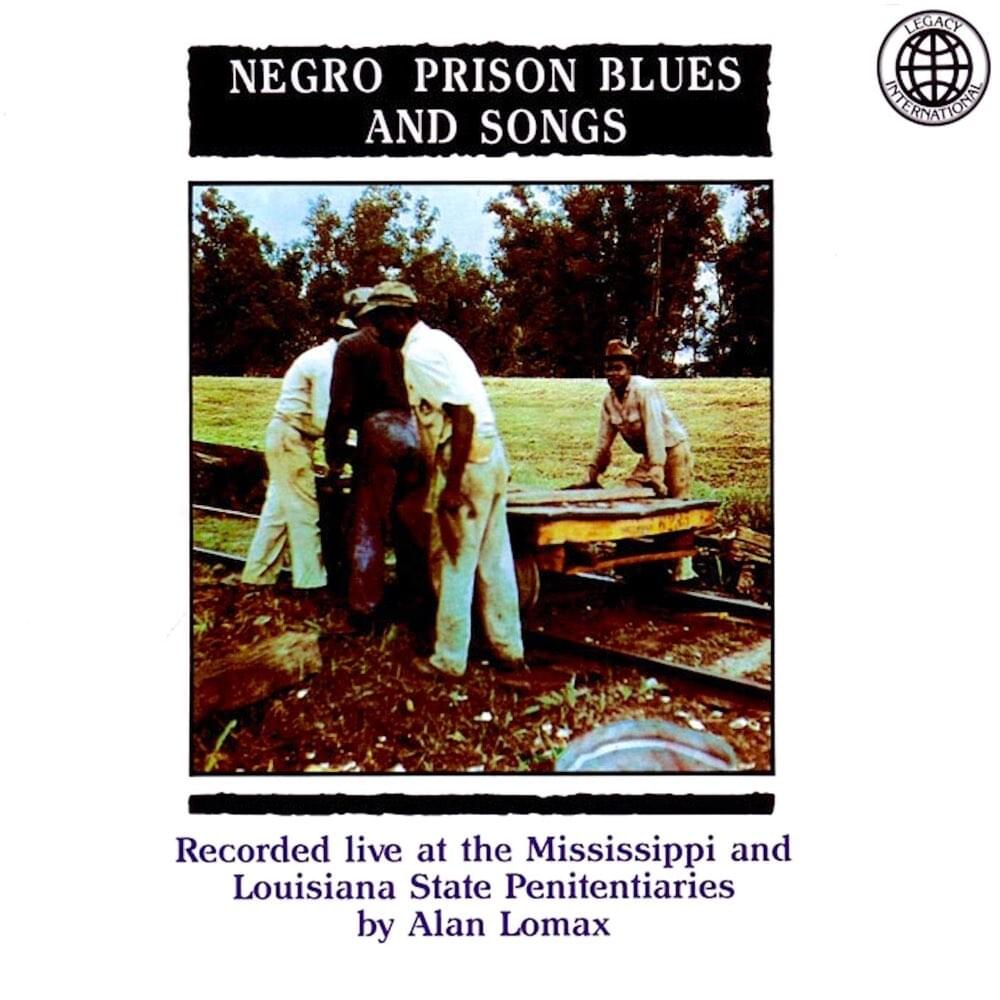
Alan Lomax's stark recording of "Prison Blues" is more than just a song; it's a visceral snapshot of despair and fragile hope echoing through the American South. The power isn't in complex instrumentation, but in the raw, unvarnished emotion conveyed through the bluesman's voice and guitar. The song meaning centers on the crushing weight of a jail sentence, witnessed by a community and lamented by a lover left behind. It's the kind of scene played out countless times, rendering it both intimately personal and tragically universal.
The lyrics, though simple, are heavy with implication. The phrase "Judge Debney give me my time" isn't just about the legal sentence; it's about the theft of time itself, the severing of connection to the outside world. The woman's cry of "Mister Judge, you gave him too long" isn't a legal argument, but a primal scream against injustice, against the system that grinds individuals down. The prisoner's repeated assurances that he'll "make it over one old day" are less a statement of fact than a desperate attempt to maintain some thread of optimism, a refusal to be completely consumed by the darkness of his situation.
The spoken interlude adds another layer of depth. The plea, "Play awhile for me, man," is a reaching out for human connection, for solace in the face of isolation. It’s a reminder that even within the dehumanizing walls of a prison, the need for beauty and shared experience persists. The final verses, a mournful farewell, hint at the possibility of redemption, the hope that "liv[ing] this business down" might lead to a life free from the shadow of incarceration. It’s a blues song, yes, but one that grapples with the profound psychological impact of loss, regret, and the enduring human capacity for hope against all odds.
 View Artist