Song Meaning
“Hanakazoe” unfolds as a tender, almost lullaby-like counting of flowers. Each verse poses a gentle question: “Where do they bloom?” The lyrics paint intimate, domestic scenes centered around a sleeping child. It's a quiet search for beauty in everyday corners.
The core of the piece lies in this gentle quest, moving from tangible blossoms to those unseen. We find “pale moonlit white flowers” by a child's window and “small blue flowers” on a mother's mirror. This immediate presence, however, contrasts sharply with the “bud waiting for spring” hidden “under deeply piled snow,” hinting at patience and the promise of future growth.
The repeated counting structure, “ひとつ ふたつ” through “ななつ やっつ,” creates a rhythmic, almost meditative quality. This repetition, coupled with the recurring “どこに咲く” (where do they bloom?), transforms a simple tally into a persistent, hopeful inquiry. It's a subtle way to suggest that beauty isn't always obvious; sometimes it needs to be sought out, or even nurtured into being.
Ultimately, the lyrics culminate in a profound act of maternal love. After the counting, the mother promises a “bouquet” to the child “inside the child's sleeping dream.” This isn't a physical gift but a symbolic one, suggesting that the true harvest of these observed and awaited flowers is a collection of tender moments, hopes, and dreams, gathered and presented in the most intimate, cherished space.
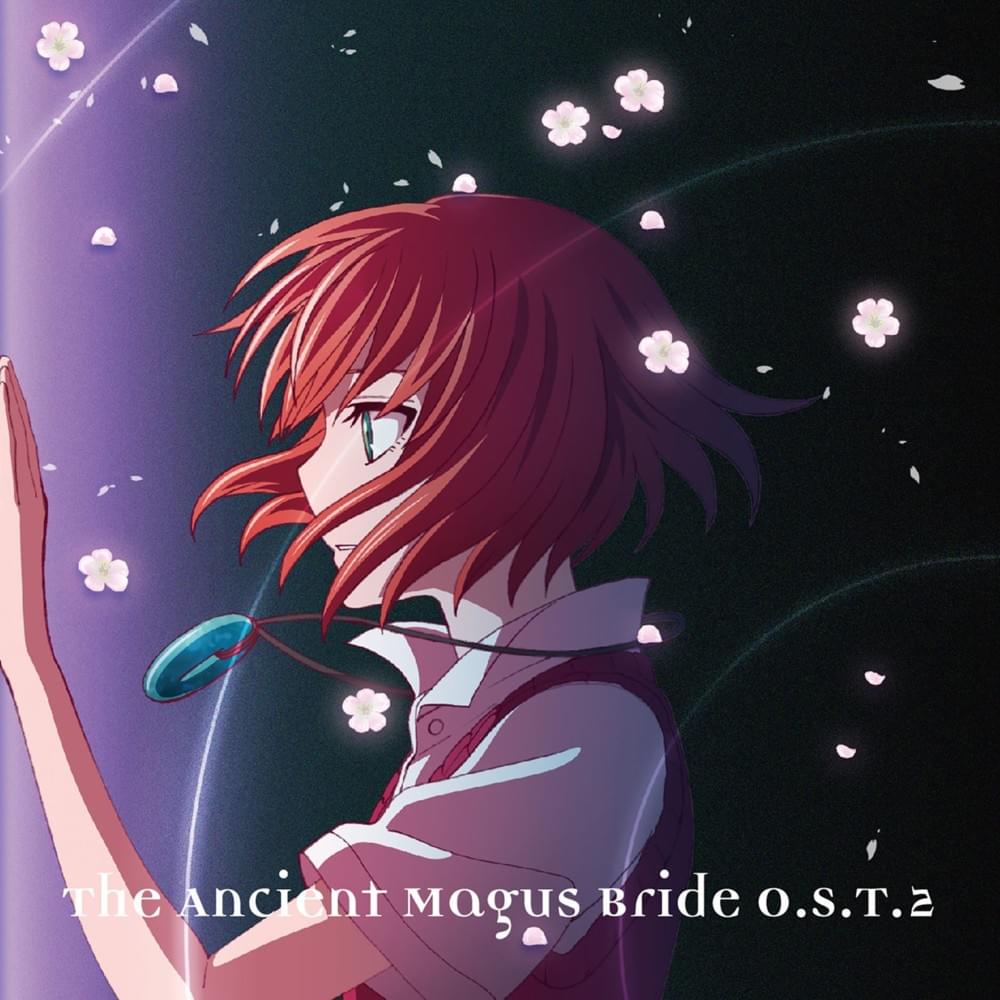
 View Artist