Song Meaning
These lyrics paint an ethereal journey, guided by three mysterious "words" that gently pull the speaker from internal darkness. It's a quest for an unseen home, a place of ultimate belonging. The tone is deeply hopeful, yet tinged with a quiet melancholy.
A core tension emerges from the paradox of seeking a "scenery never seen" that is simultaneously "the place to return." This isn't about finding a physical location, but rather a profound internal state or a "single life" – a true self or destiny. The journey itself is framed as a gentle coaxing, not a forceful push, as "dream" and "wind" guide the way from "胸の奥の 暗闇を" (the darkness deep within the chest).
The lyrical structure itself is a masterstroke, shifting from the poetic, almost whisper-like Japanese to a sudden, declarative English burst: "WE CAN FLY WE HAVE WINGS." This feels like a moment of profound realization, a powerful release after the introspective guidance. Before this surge of empowerment, the image of a "golden apple" falling "again" while "counting sad things" adds a poignant layer, suggesting that even as hope emerges, past sorrows are acknowledged and perhaps gently released.
Ultimately, the lyrics' effectiveness lies in their ability to evoke a universal longing for purpose and peace through deeply personal, almost mystical imagery. The unnamed "third word," a quiet "hum," becomes the most intimate guide, leading to the gentle release of "trembling arms." It suggests that true liberation often comes not from grand pronouncements, but from an internal, almost inaudible whisper, allowing one to finally embrace their own wings and touch those "floating dreams."
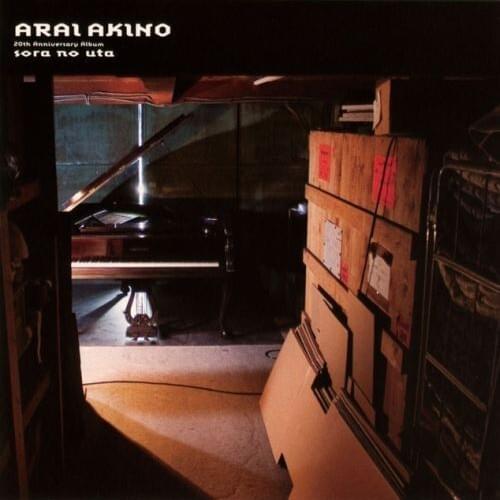
 View Artist