Song Meaning
The lyrics paint a picture of a life lived in perpetual distraction, a frantic effort to fill time and avoid introspection. The narrator suggests that if we're constantly buying things, cleaning other people's kitchens, or mindlessly flipping through channels, we'll eventually become too afraid to face our own inner lives. This external busyness, it seems, is a shield against confronting ourselves, leading to a deep-seated fear of true self-acceptance. The repeated idea of 'cleaning other people's kitchens' highlights a dedication to tasks that aren't our own, perhaps as a way to avoid tending to our own internal 'mess.'
This avoidance creates a core tension: the desire for a 'better life' versus the fear of what that might actually entail if it requires self-confrontation. The lyrics propose that chasing an idealized future, waiting for a 'brighter sun,' prevents us from finding peace in the present. This pursuit of external validation or future happiness, without addressing internal contentment, means we'll 'never find peace of mind.' It’s a cycle of seeking, but never truly arriving.
The most striking craft element is the conditional structure: 'Ja...' (If...). This repeated conditional sets up a series of actions that, when taken together, lead to a specific outcome – the inability to be at peace with oneself. The chorus, 'Mēs nepazīsim kaunu / Kad nāksies atrasties / Lai nebaidītos paši / Ar sevi saprasties' (We will not know shame / When we have to find ourselves / So that we ourselves are not afraid / To understand ourselves), acts as a stark counterpoint. It suggests that the shame we fear is actually the consequence of *not* facing ourselves, and that true courage lies in that confrontation.
Ultimately, these lyrics resonate because they articulate a common modern struggle: the overwhelming pressure to be busy and successful, often at the expense of genuine self-connection. The writing effectively uses the imagery of mundane, repetitive tasks and the abstract pursuit of a better future to illustrate how we can become strangers to ourselves. The promise of 'not knowing shame' by finally 'understanding ourselves' offers a powerful, albeit challenging, path forward, suggesting that the real victory isn't external achievement, but internal peace.
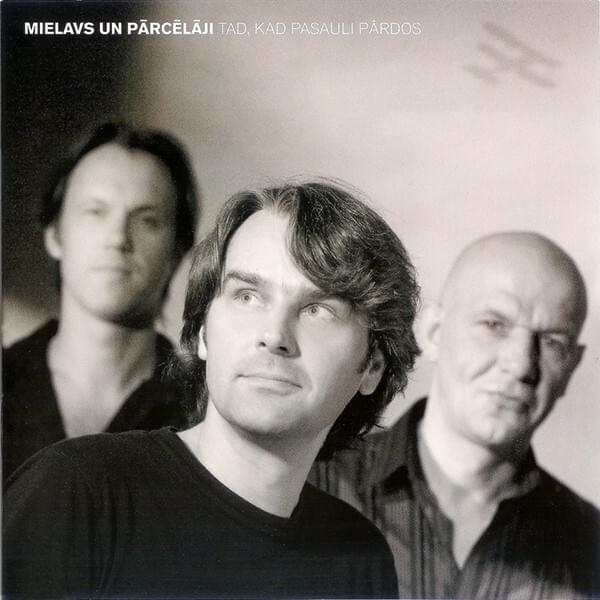
 View Artist