Song Meaning
The lyrics paint a picture of finding the narrator in moments of stark contrast and quiet aspiration. Initially, they are perceived in the desolate imagery of "grey crows crying" about unfulfilled potential, a stark image of what could have been. This is juxtaposed with being found in the gentle flow of a "calm stream" that "tirelessly dreams" of becoming a raging river. This duality sets up a core tension between despair and persistent hope.
The central conflict seems to be the struggle to reconcile these opposing states. The narrator exists where crows lament failed births and where gentle waters harbor ambitious dreams. The lyrics suggest that true connection or understanding comes from acknowledging both the bleakness and the quiet, persistent desire for something more. It's in these liminal spaces, where the impossible seems to be the subject of both lament and dreaming, that the narrator can be found.
A striking craft element is the transformation of the crow imagery. Initially, they are symbols of failure and unfulfilled potential, their cries marking a place of despair. However, the lyrics pivot dramatically, envisioning a future where these same crows "begin to sing." This shift suggests a profound internal or external change, where the very symbols of negativity can become heralds of a positive transformation, mirroring the stream's own ambition.
This lyrical arc is effective because it grounds abstract hope in concrete, albeit contrasting, natural imagery. The repeated invitation to "let hope enter you" is powerful because it follows the depiction of both the crows' cries and the stream's dreams. It’s the acknowledgment of the difficult starting point, the "grey crows crying," that makes the eventual hope for singing crows and rushing streams feel earned and deeply resonant. The final affirmation, "that miracles don't pass," lands with weight because it emerges from the tension between what is and what could be.
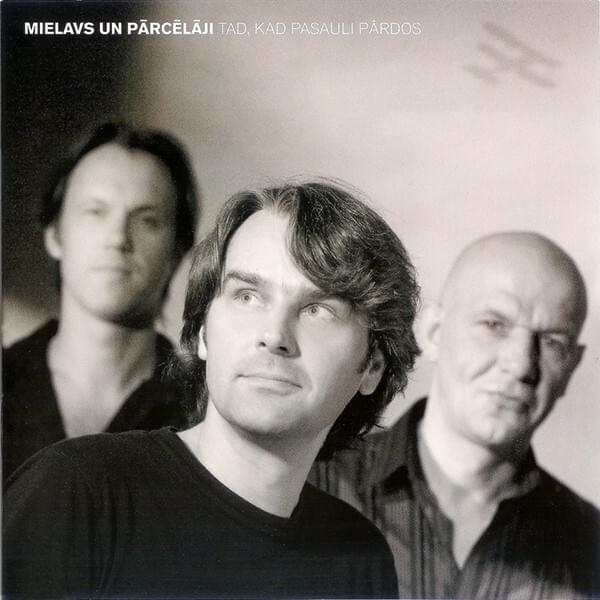
 View Artist