Song Meaning
The lyrics paint a picture of a relationship where one person feels like a mere "passenger" in the other's life, specifically in the "pretended parts" that are only acknowledged in private moments. This dynamic creates a core tension: the narrator loved the other person precisely because they *were* a lover, a role the narrator themselves couldn't fully embody, suggesting a self-awareness of their own limitations or perhaps a projection of what they desired.
The narrative then shifts to a moment of attempted salvage, a desperate effort to hold onto a love that was slipping away. The imagery of "arms out extended" and trying "to catch it all" conveys a frantic, ultimately futile attempt to prevent the inevitable decline. The apology, "I'm sorry I wasn't fast enough," lands with a heavy sense of regret, acknowledging a failure to act or adapt in time to save the connection.
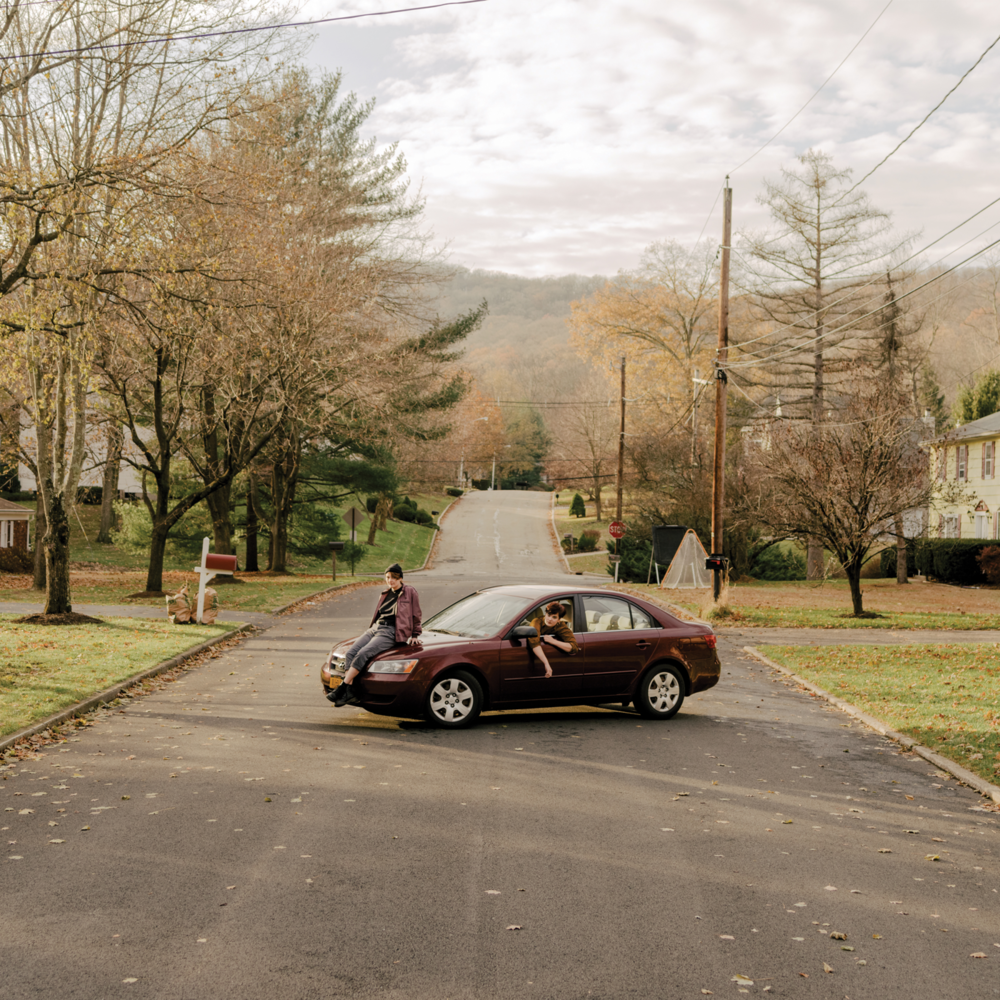
A striking contrast emerges when the perspective flips: the narrator recalls being a "passenger" in the other's car, mirroring the initial setup but now from the other side. This reversal, coupled with the memory of a specific car ride "in December" on the "cusp of the state line," highlights the blurred lines between love and resentment that defined their shared history. The narrator's current state as a "ghost who won't / Answer a call" signifies a complete withdrawal, a stark departure from the active, albeit flawed, participation of the past.
Ultimately, the repeated refrain, "That's why I loved you," becomes a poignant declaration of what drew the narrator in. It wasn't necessarily the present reality, but the *idea* of the other person as a lover, a role the narrator felt they themselves could not fulfill. This creates a complex emotional landscape where love is intertwined with a sense of inadequacy and the painful recognition of a relationship's inherent imbalance and eventual dissolution.
 View Artist