Song Meaning
The lyrics paint a stark picture of someone grappling with a profound sense of self-alienation and a desperate fight for survival. The opening lines, a seemingly casual apology for causing tears, quickly give way to a deeper turmoil. The narrator questions their mother's love, feeling like a stranger to her, someone who has fundamentally changed from expectations. This internal shift is so drastic it's described as setting "fire to abusers like a war," a powerful image of aggressive self-defense, yet it's undercut by the admission, "I don't know what it is I fight for."
The core tension lies in the paradox of survival through death. The repeated phrase, "I cure the pores of my skin I leave no room for anything / I survive because I have died," suggests an extreme form of emotional numbing or self-erasure as a defense mechanism. It's as if the narrator has had to shed their former self, or parts of it, to endure. This isn't a passive existence; it's an active, almost violent, process of hardening oneself against further harm, leaving no vulnerability.
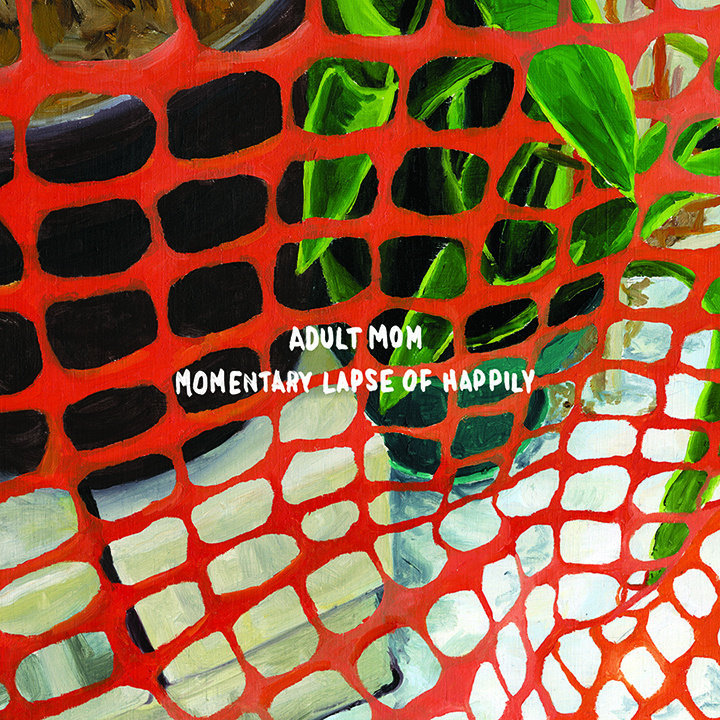
This defensive strategy is further illustrated by the striking image of building walls with windows. This isn't about complete isolation, but a calculated approach to self-preservation: maintaining boundaries ("walls") while allowing for some limited observation or connection ("windows"). It speaks to a desire for safety that doesn't necessitate total withdrawal, a delicate balance between protection and the need for some form of interaction or awareness of the outside world. The repetition of this image emphasizes its importance as a guiding principle for their survival.
Ultimately, the effectiveness of these lyrics stems from their raw, unflinching portrayal of a survival instinct that feels both necessary and deeply isolating. The narrator's struggle isn't just against external threats, but against the internal cost of their own defenses. The final lines, hinting at a future where fear might be loved or the narrator might not feel like a "bad queer," offer a fragile glimmer of hope, suggesting a potential for acceptance and peace, but only after a long, arduous process of self-discovery and healing.
 View Artist