Song Meaning
The lyrics confront a grim, almost defiant acceptance of mortality, framed by a past desire for self-destruction. The opening lines, "You always wanted me dead / Well, how 'bout now?" immediately establish a confrontational tone, suggesting a history of external or internal animosity now met with a stark, almost sarcastic acknowledgment of proximity to death. This isn't a plea for sympathy, but a raw statement of fact, as the narrator admits, "I guess I'm gettin' pretty close." The choice to refuse treatment, leading to a spreading illness, underscores a sense of agency, however morbid, in their decline.
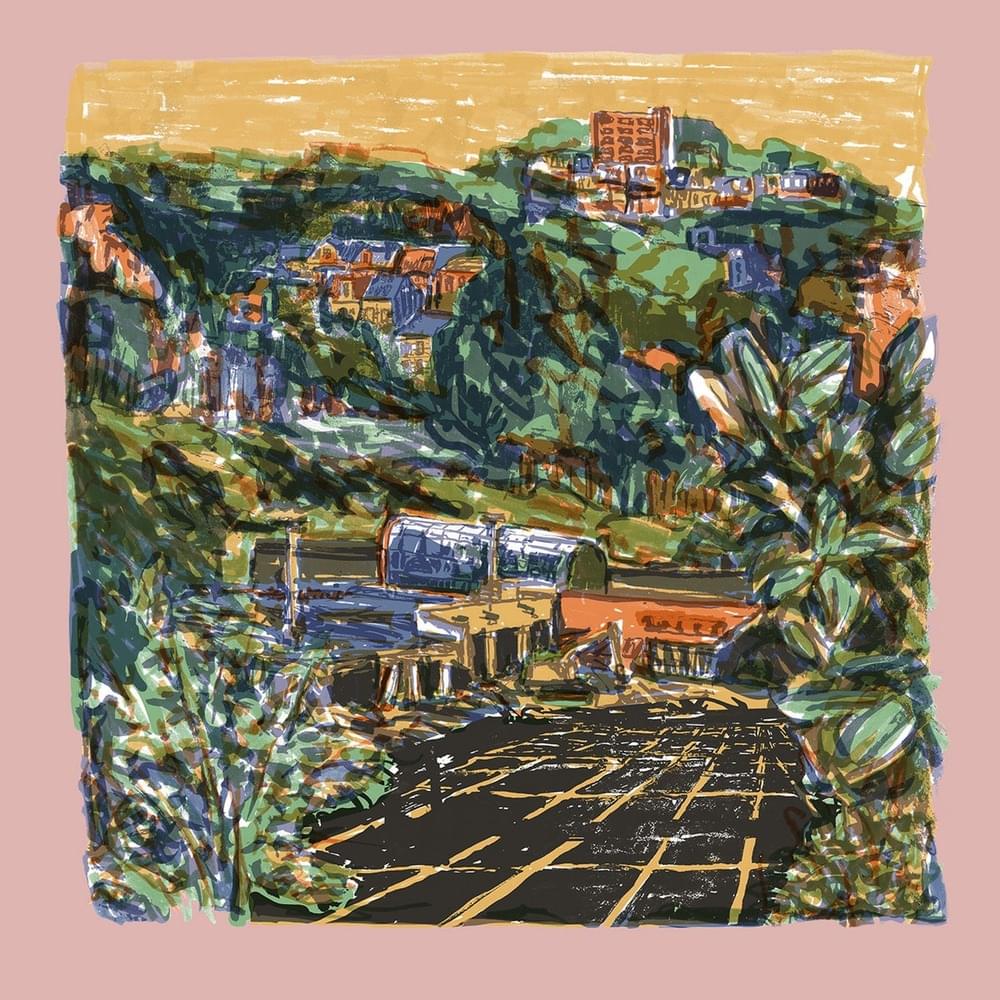
The central tension lies in the narrator's complex relationship with their own demise and identity. The imagery of the sinking mall, a place of unfulfilled youthful desires ("where I didn't / Have my first kiss"), becomes a potent metaphor for the narrator's own slow decay and the loss of potential. This decay is both physical, as the illness spreads, and existential, as the narrator questions their own victimhood and the possibility of finding relief by embracing that role. The repeated phrase "I always wanted me gone" echoes the opening, highlighting a long-standing internal struggle that now seems to be culminating.
The most striking craft element is the juxtaposition of the mundane with the catastrophic. The narrator's world shrinks to "my bed and the hospital," a stark contrast to the vastness of life, yet they can still "drive five minutes across town." This small, almost absurd detail grounds the overwhelming reality of illness in everyday actions. Furthermore, the description of being a "Hostage muscle to the skeletal" is a visceral image of the body betraying itself, a physical manifestation of the internal conflict. The narrator clings to control, yet "barely grieve the things the cancer stole," revealing a profound emotional detachment born from prolonged suffering.
Ultimately, the lyrics resonate because they capture a specific, unflinching brand of resilience. The repeated mantra, "I'll get through it / I'll survive it," is not a triumphant declaration but a weary, almost automatic response to a life-altering illness. The final question, "But at what cost to me?" cuts through any potential platitudes, acknowledging the profound personal toll of survival. It’s this honest, unvarnished look at the psychological and emotional price of enduring immense hardship that gives the song its raw power.
 View Artist