Song Meaning
The lyrics paint a vivid, surreal portrait of a song as an active, almost sentient entity. It doesn't just exist; it *does* things. It plucks stars from the road, runs across stones in the sky, and clings to red seaweed on trees. This initial imagery establishes a fantastical, dreamlike quality, suggesting the song operates outside conventional reality, creating its own unique landscape. The repeated question, "Quelqu'un veut-il m'entendre ?" grounds this cosmic ballet in a yearning for connection.
The song then shifts to more intimate, human-scale interactions, yet still imbued with its unique magic. It caresses outstretched hands, adorns them with dew waves, and transforms fountain water into women's hair. This transformation of the mundane into the poetic highlights the song's power to alter perception and imbue everyday moments with wonder. It actively splashes laughter onto the grayness of celebrations, offering a vibrant counterpoint to melancholy.
The narrator, or the song itself, then asserts a superior, more enchanting form of light. It dismisses the ordinary sun for "strange suns" colored by dreams and dancing before children's eyes, striking "a hundred thousand cymbals." This grand declaration emphasizes the song's ability to offer a more profound, imaginative experience than reality itself. The "la la la" refrain, simple and childlike, contrasts with the complex, almost overwhelming imagery, creating a disarming effect.
Finally, the song reveals its capacity for profound emotional resonance, particularly in shared human experience. Disguised as a breeze, it aligns with lovers, bestows tenderness, and becomes "all love" when sung by two people. This final stanza underscores the song's ultimate purpose: to facilitate connection and amplify love, suggesting its true power lies not just in its fantastical imagery, but in its ability to become an intimate part of human relationships.
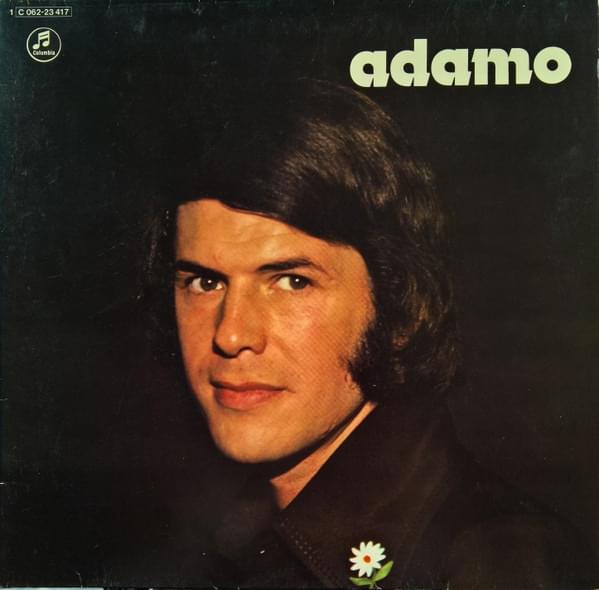
 View Artist