Song Meaning
The narrator is putting on a dramatic performance, a "cinéma," to express overwhelming love. They acknowledge the theatricality of their plea, admitting they're "playing the big scene" and "singing the same old song." This performance is driven by a chaotic internal state, a mind that "doesn't turn right anymore," suggesting a loss of control fueled by intense emotion.
The core tension lies between the exaggerated, almost performative nature of the declaration and the genuine, desperate plea for the other person to return. The narrator seems aware of how over-the-top their actions might appear, noting that the other person "is suspicious," yet they are compelled to act out their feelings intensely. The repeated "Je t'aime, je t'aime" acts as both the refrain of this performance and the raw, unadorned truth beneath the drama.
The lyrics masterfully use contrasting imagery to highlight the narrator's emotional turmoil. Tears fall "in my eyes" even when "the sky is blue," a stark visual of internal sadness clashing with external pleasantness. This internal weather is further emphasized by a "voice that goes out of tune," a perfect metaphor for a faltering, emotionally strained delivery. The narrator is willing to go to extreme lengths, even "kneeling," to get their point across, showcasing the depth of their desperation.
Ultimately, the effectiveness of these lyrics stems from their raw portrayal of love's disorienting power. The narrator's self-awareness of their "cinéma" makes the plea feel both theatrical and deeply sincere. It captures that moment when emotions become so big they demand an outsized expression, even if that expression feels a little ridiculous to the outside observer. The desperate "come back to us" grounds the entire performance in a tangible, aching need.
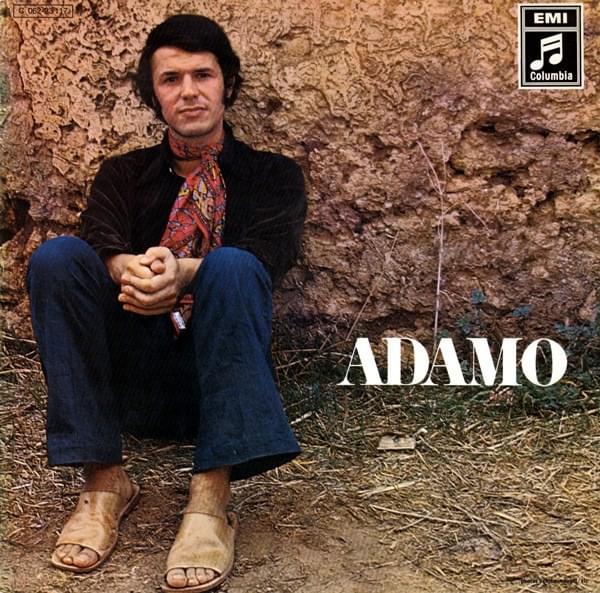
 View Artist