Song Meaning
The narrator is wrestling with a desperate need to assign blame, fixating on a specific person as the target. This desire to point a finger feels almost compulsive, a way to externalize internal turmoil. The repeated phrase "I wanted you to be the one" underscores this intense, almost willful, projection onto another.
There's a palpable sense of vulnerability and confusion running through the lyrics. Phrases like "Sometimes I feel faint" and "sometimes I just don't know" reveal a fragile state, where the external world, represented by the "wind," offers little solace, instead seeming to push back or echo internal distress. This internal chaos makes the need for an external scapegoat even more pronounced.
The imagery of wanting to "hold you up" and "lift you up high" is particularly striking. It contrasts sharply with the initial desire to blame. This suggests a complex emotional landscape where the same person is simultaneously seen as the source of pain and an object of elevation, perhaps a desperate hope for salvation or an idealized version of what they wish this person could be. The wind "cries in my head" further blurs the line between external perception and internal feeling.
Ultimately, the lyrics capture a raw, almost primal, emotional state. The effectiveness lies in this direct, unvarnished expression of conflicting desires – the need to blame versus the impulse to idealize, all set against a backdrop of profound uncertainty and emotional fragility. It’s the sound of someone adrift, desperately seeking an anchor, even if that anchor is a projection of their own making.
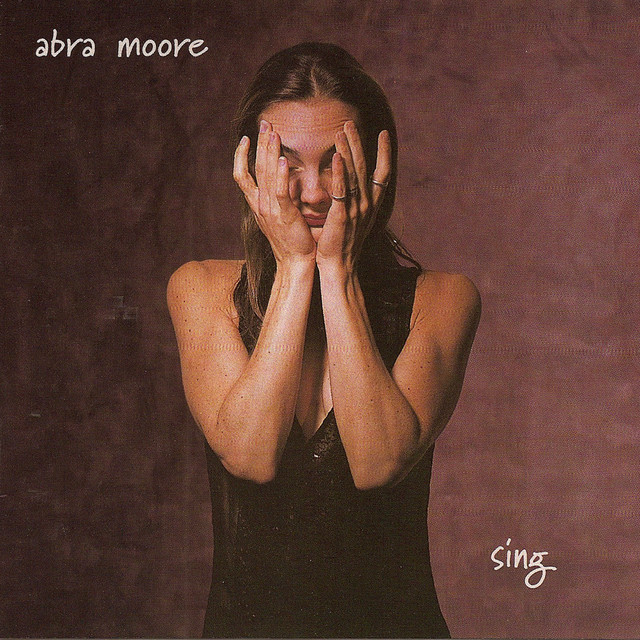
 View Artist