Song Meaning
The narrator expresses a deep yearning to connect, specifically to sing to someone they call "mama." This desire stems from a perceived loss of connection, as the "windows" in her eyes no longer hold the same light when she looks at the narrator. There's a palpable sense of distance, a wish to hear the "cracks in your voice" when she speaks, suggesting a longing for authenticity and a return to a more intimate past.
The core tension revolves around identity and legacy, particularly as the narrator observes their own physical and behavioral resemblances: "Look at my eyes and my nose and my fingertips / I'm lookin' so much like you." This mirroring extends to mannerisms, like the "switch my walk, mama / I'm walkin' like you used to do." This self-recognition is complicated by the looming absence of the mother, highlighted by the repeated question, "What about tomorrow? / You won't be there to watch me bleed." This foreboding suggests a future where this connection, and perhaps guidance, will be irrevocably severed.
The lyrics powerfully capture a specific kind of inherited pain. The narrator asks, "What is this pain in here mama, did you feel it, too / At such a tender age of twenty-four?" This question implies a cyclical or inherited emotional burden, a suffering that has spanned generations. The repeated desire to "sing" becomes a plea for shared experience, a way to bridge the gap of unspoken or unacknowledged pain, and a desperate hope to make the mother "proud" in a future that feels uncertain.
Ultimately, the effectiveness of these lyrics lies in their raw vulnerability and the specific, intimate details that evoke a profound sense of longing and inherited sorrow. The narrator isn't just asking for comfort; they're seeking validation, understanding, and a shared acknowledgment of a pain that seems to transcend their own twenty-four years, all channeled through the simple, yet loaded, act of wanting to sing.
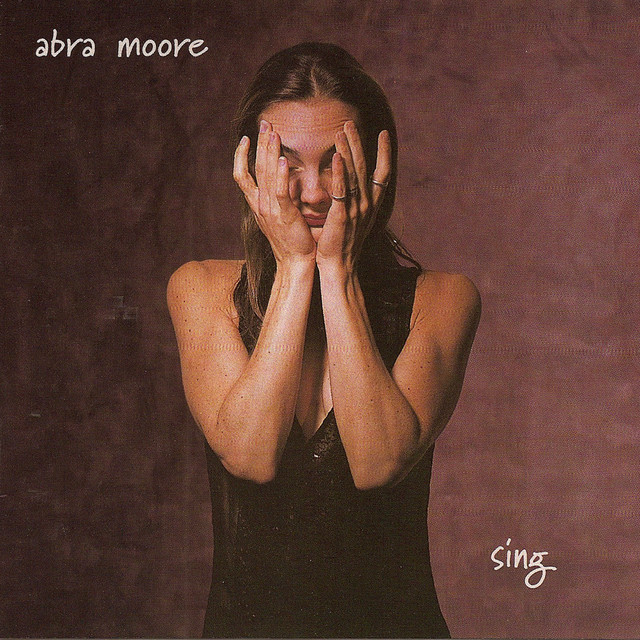
 View Artist