Song Meaning
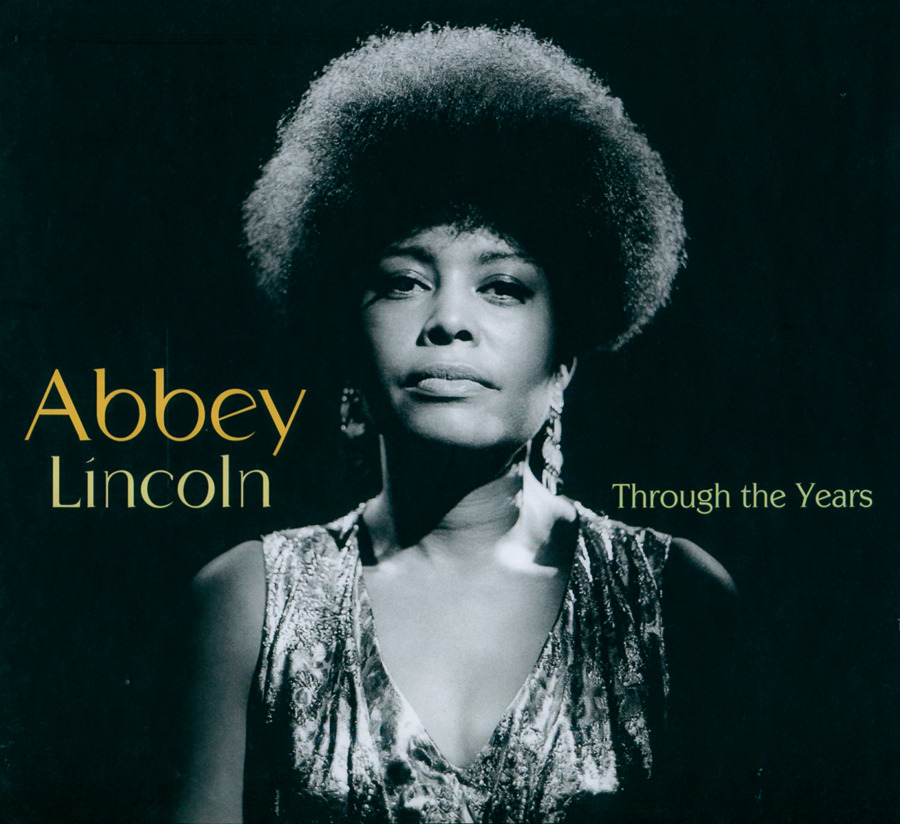
{"song_id": 12310949, "meaning": "Abbey Lincoln’s rendition of \"You Must Believe in Spring and Love\" is less a song and more a psychological balm, a carefully constructed argument against despair. The lyrics, deceptively simple, operate on the principle of cyclical renewal. Winter isn't an ending, but a necessary precursor to spring, mirroring the emotional winters we all inevitably face. The “lonely feelings” that “chill the meadows of your mind” aren't permanent fixtures, but transient states, much like the seasons themselves. The song meaning hinges on this fundamental trust in the natural order, a belief that even “beneath the deepest snows,” potential, like the “secret of a rose,” persists. It’s an elegant metaphor for resilience, suggesting that hope isn’t a naive fantasy but an intrinsic part of existence. The rose *knows*—it possesses an innate understanding.
The second verse deepens the metaphor by invoking the image of a tree, confident in the return of its leaves after the barrenness of winter. This isn't blind faith, but a knowledge born from experience, from witnessing the cyclical nature of life. The “frozen mountain dreams of April’s melting streams,” highlighting the power of anticipation and the restorative potential of time. The refrain, "you must believe in spring," becomes a mantra, a deliberate act of will in the face of adversity. It's a choice, a conscious decision to align oneself with the rhythms of nature and the promise of rebirth.
But Lincoln doesn’t stop at the abstract promise of springtime. The song pivots to love, equating it with the same cyclical certainty. “You must believe in love and trust it's on its way,” mirroring the earlier assertion about spring. Love, like spring, is presented as an inevitable force, a natural consequence of enduring the cold. The “sleeping rose awaits the kiss of May,” a potent image of dormant potential awakening to life. The concluding lines acknowledge the inherent uncertainty of life – “with what you think you know, you can't be certain of” – yet reaffirm the necessity of belief. In a world of constant flux, where even our certainties can be shaken, the belief in spring, and in love, becomes an anchor, a source of enduring hope."}
 View Artist