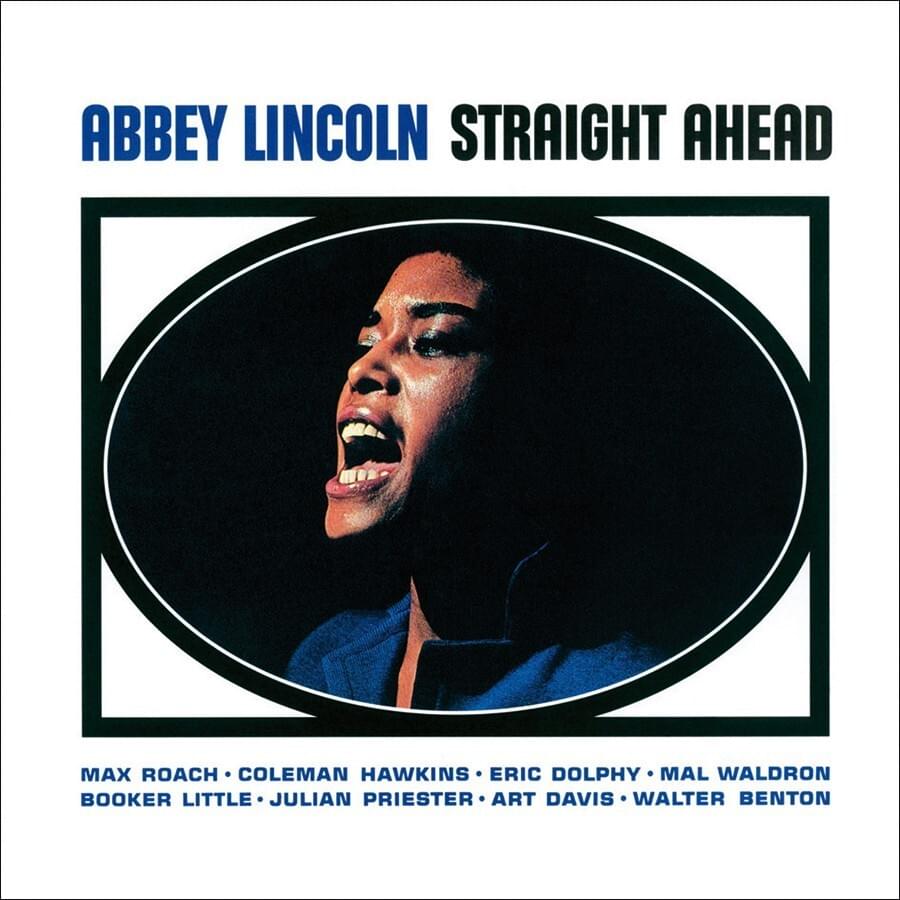
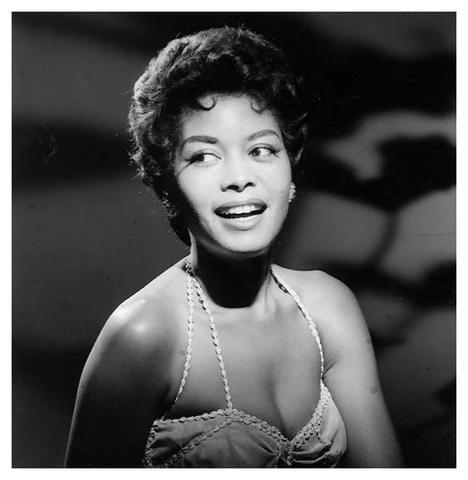
Abbey Lincoln
5K Listeners
Artist Bio
Abbey Lincoln, born Anna Marie Wooldridge in 1930, was far more than just a jazz vocalist; she was a storyteller, an activist, and a cultural icon whose career spanned decades and defied easy categorization. While often associated with jazz, her work transcended genre, incorporating elements of blues, folk, and even spoken word, all infused with a profound sense of social consciousness. Lincoln's journey began in rural Michigan, where she honed her vocal talents singing in church and local venues before moving to Los Angeles and adopting the stage name Abbey Lincoln.
Early in her career, Lincoln embraced a glamorous image, captivating audiences with her beauty and vocal prowess. However, her artistic trajectory took a significant turn in the late 1950s when she began collaborating with drummer Max Roach. This partnership marked a period of intense artistic exploration and social engagement. Her involvement in the Civil Rights Movement deeply influenced her music, leading to powerful and politically charged works that challenged the status quo. She became known for her fearless expression of Black womanhood, paving the way for future generations of artists. Lincoln’s commitment to social justice never wavered, and her music became a vehicle for raising awareness and promoting equality.
Lincoln's interpretation of standards was uniquely her own. She imbued each song with her distinct personality and emotional depth. Consider her rendition of Midnight Sun; the song itself takes on a new meaning when filtered through Lincoln's world-weary but ultimately hopeful perspective. She had an uncanny ability to connect with audiences on a deeply personal level, inviting them to contemplate the complexities of love, loss, and the human condition. Her later work saw her exploring themes of aging, resilience, and the search for inner peace. Even when revisiting familiar material, Lincoln always brought something new to the table, reinventing classics with her singular voice and interpretative skills.
Her acting career, though less prominent than her musical one, also reflected her commitment to portraying strong and complex Black characters. She appeared in films and television shows, using her platform to challenge stereotypes and promote positive representations. While she never shied away from difficult topics, Lincoln's music also celebrated joy, resilience, and the power of the human spirit. Her ability to find beauty and hope in the face of adversity was a testament to her unwavering optimism and her deep belief in the possibility of a better world. Even a seemingly simple tune like This Can't Be Love carries a weight of experience and a glimmer of hope in her rendition. The rawness of For Heaven's Sake is also a great example of her style.
Abbey Lincoln's legacy extends far beyond her impressive discography. She was a mentor to countless young musicians and a role model for anyone who dared to speak truth to power. Her influence can be heard in the work of contemporary artists who continue to push boundaries and challenge conventions. While exploring her vast catalog, be sure to appreciate her spin on Little Niles. Her voice, both powerful and vulnerable, continues to resonate with audiences today, reminding us of the importance of courage, compassion, and the enduring power of art. Another song that is worth a listen is Caged Bird (1998), an amazing song with powerful lyrics. Even in her later years, she continued to evolve as an artist, constantly seeking new ways to express herself and connect with her audience. Abbey Lincoln passed away in 2010, but her music and her message continue to inspire and uplift.
Popular Albums
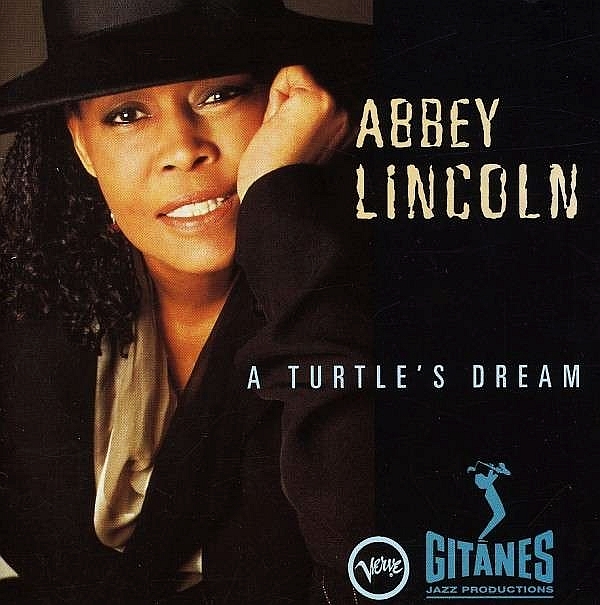
A Turtle’s Dream
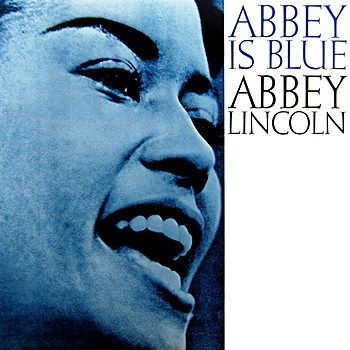
Abbey Is Blue
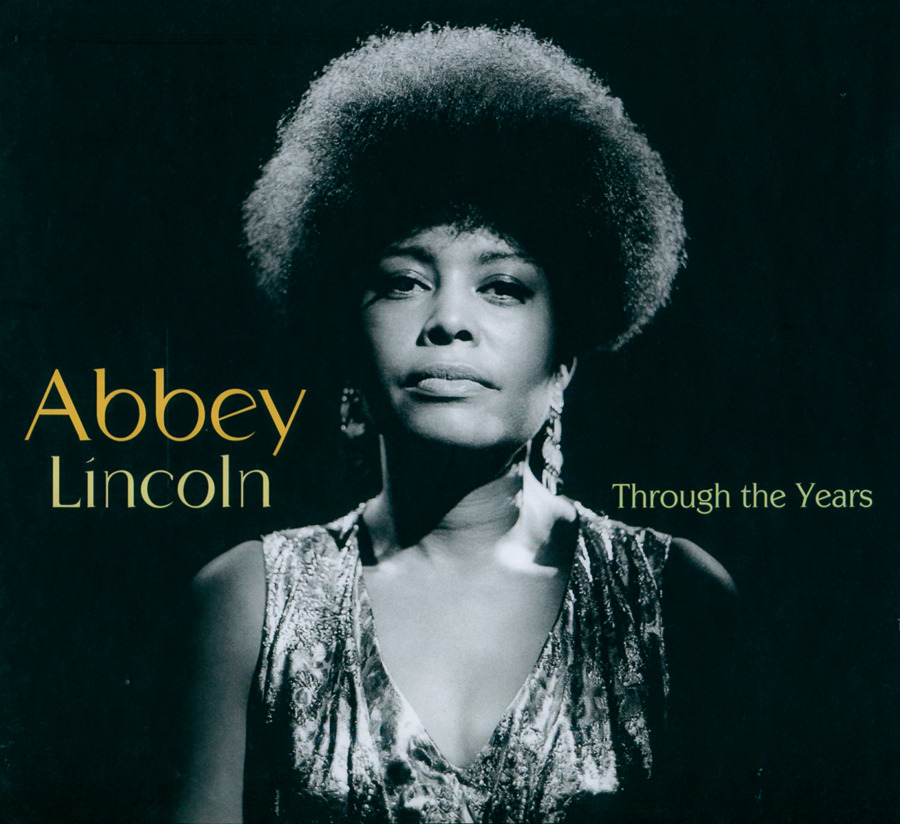
Through the Years
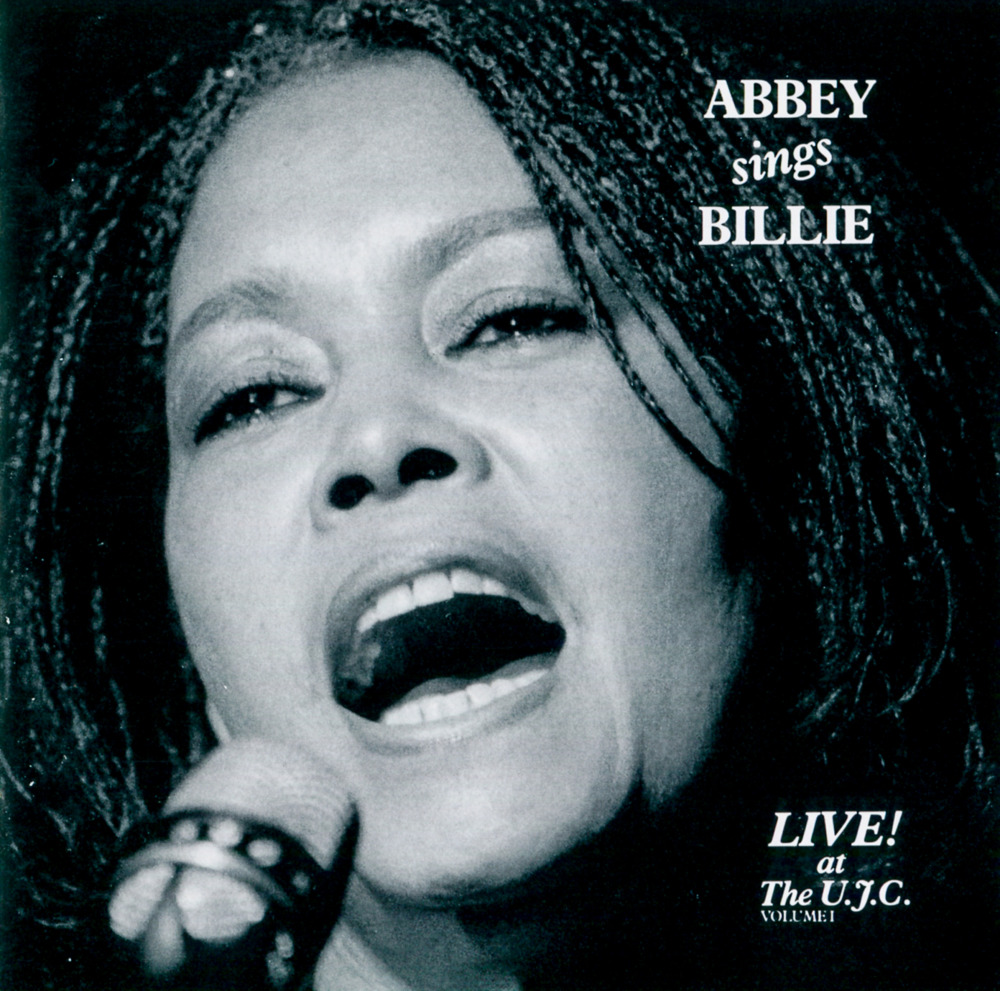
Abbey Sings Billie
Abbey Sings Billie, Volume 2
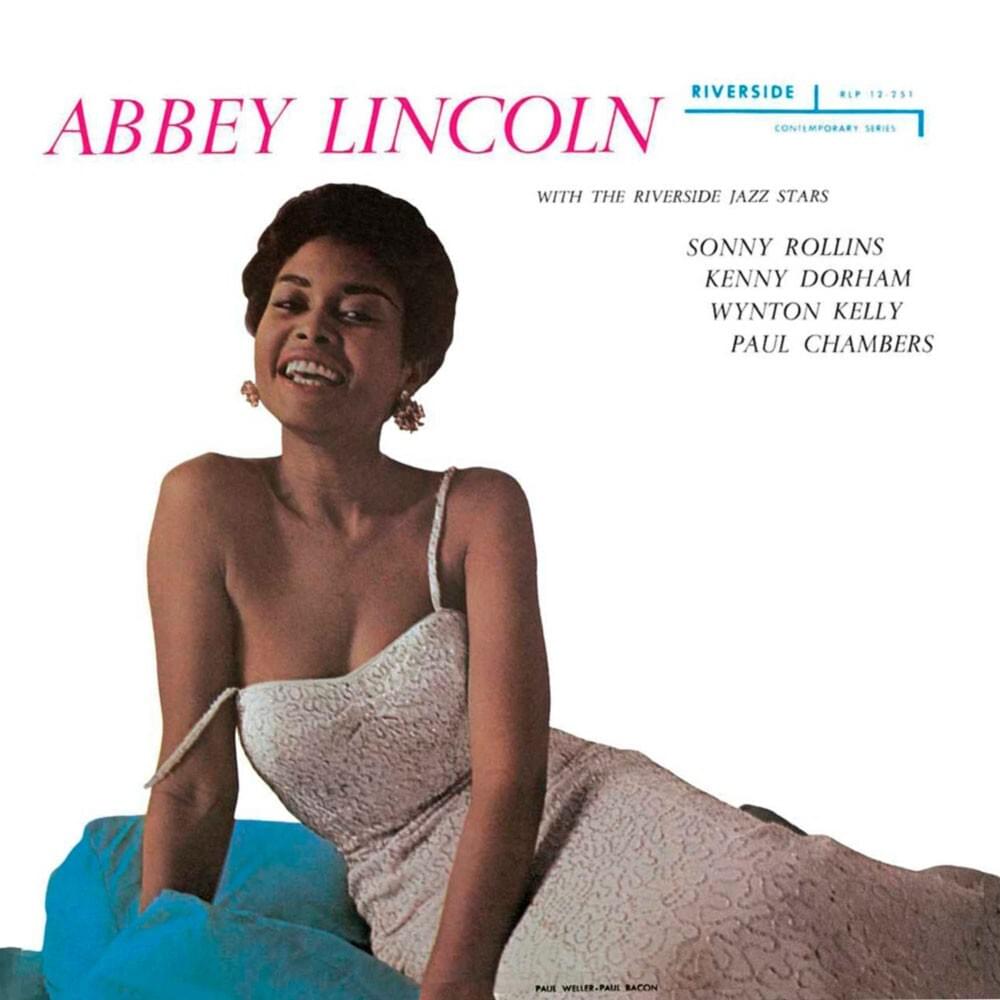
That’s Him!
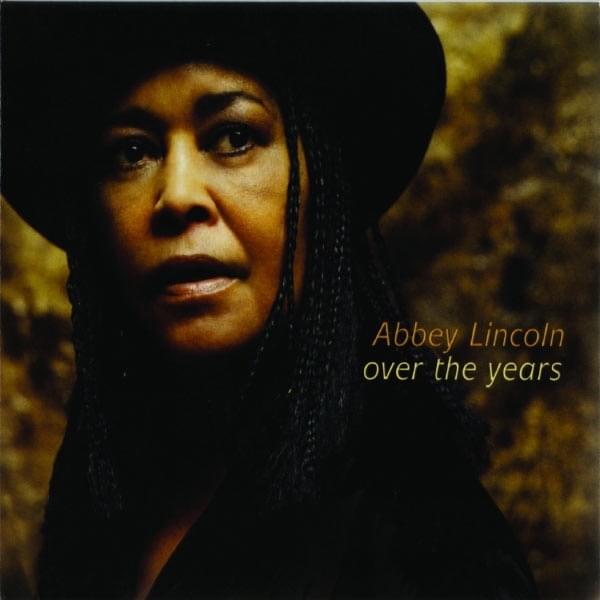
Over the Years
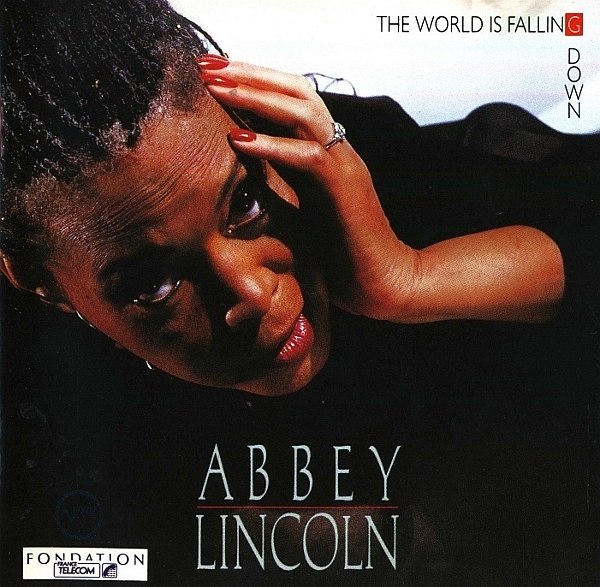
The World Is Falling Down
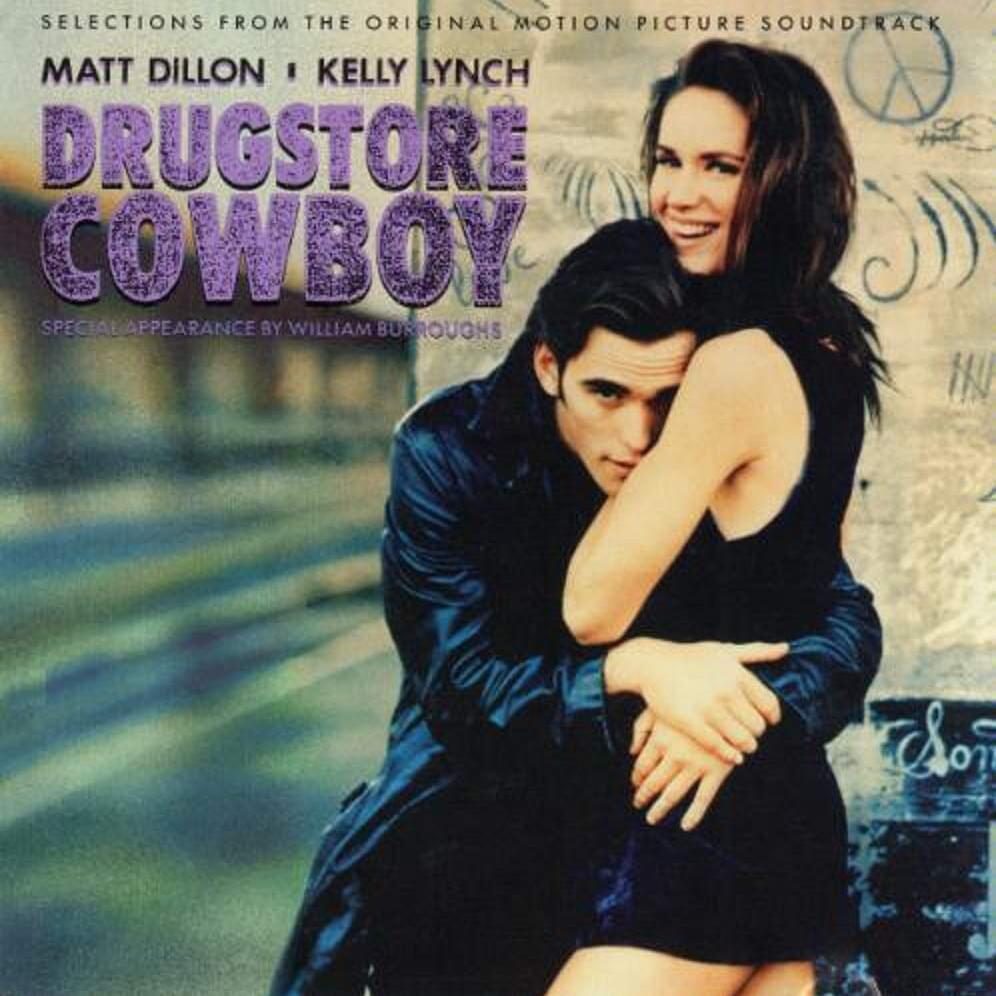
Drugstore Cowboy: Selections From the Original Motion Picture Soundtrack
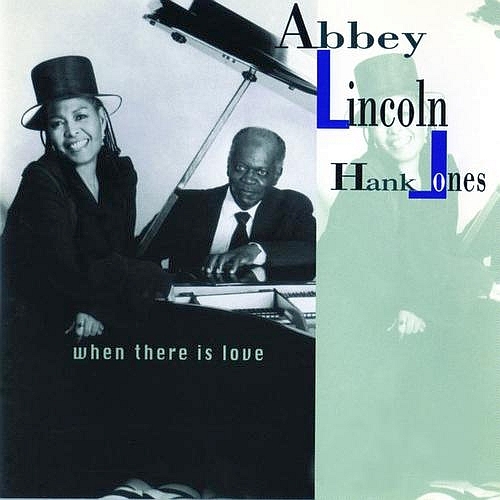
When There Is Love
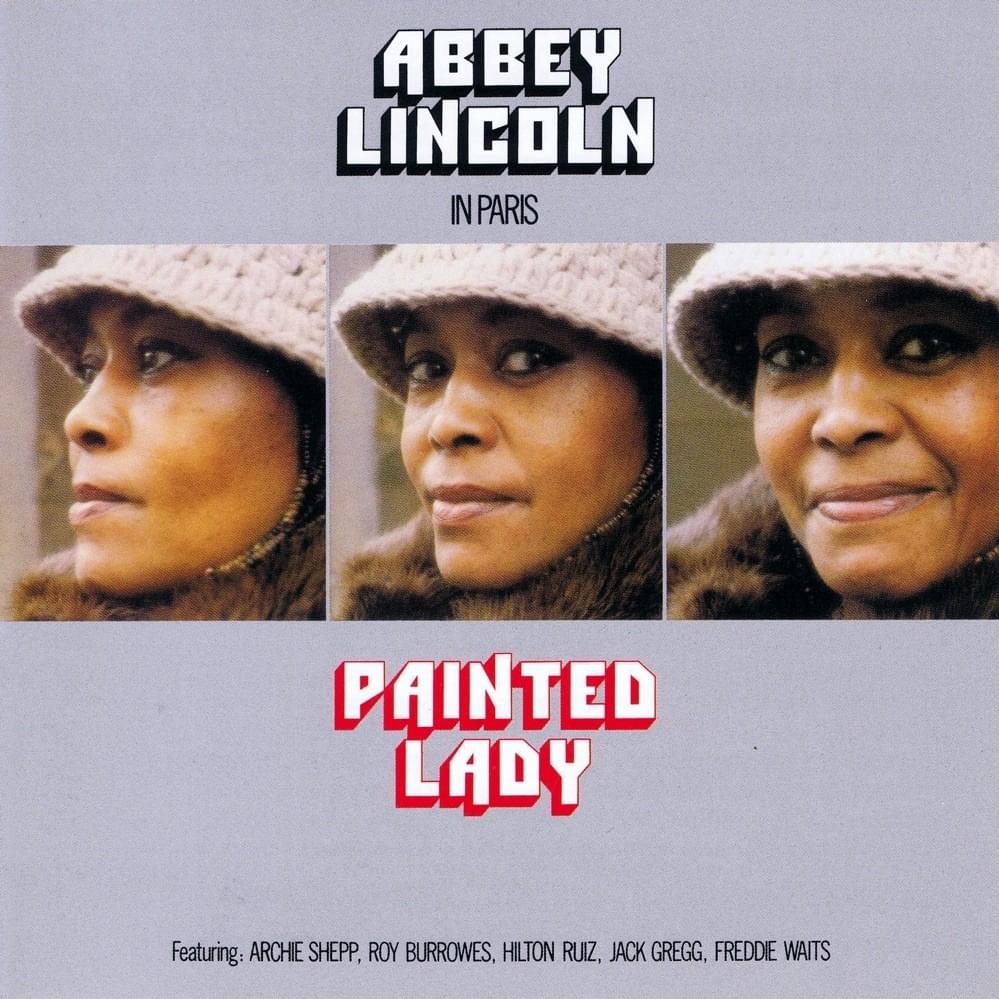
Painted Lady
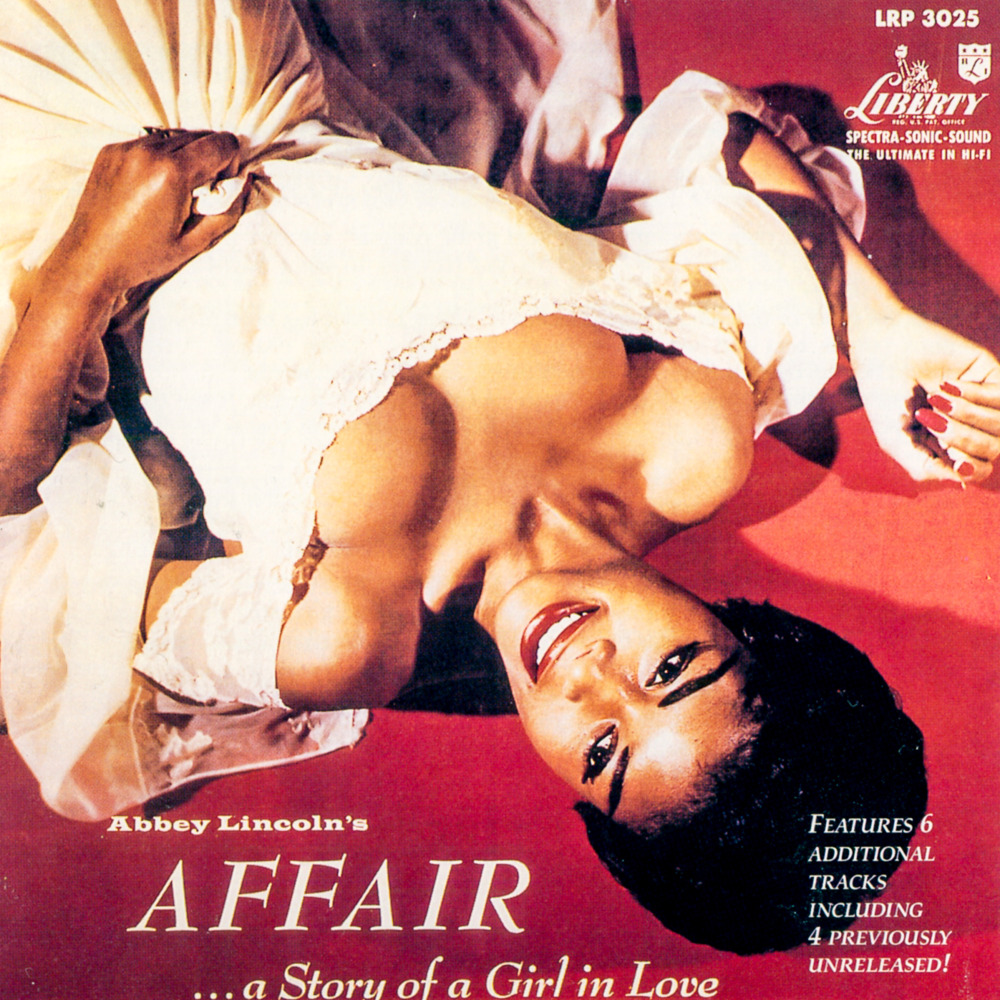
Abbey Lincoln’s Affair... A Story of a Girl in Love
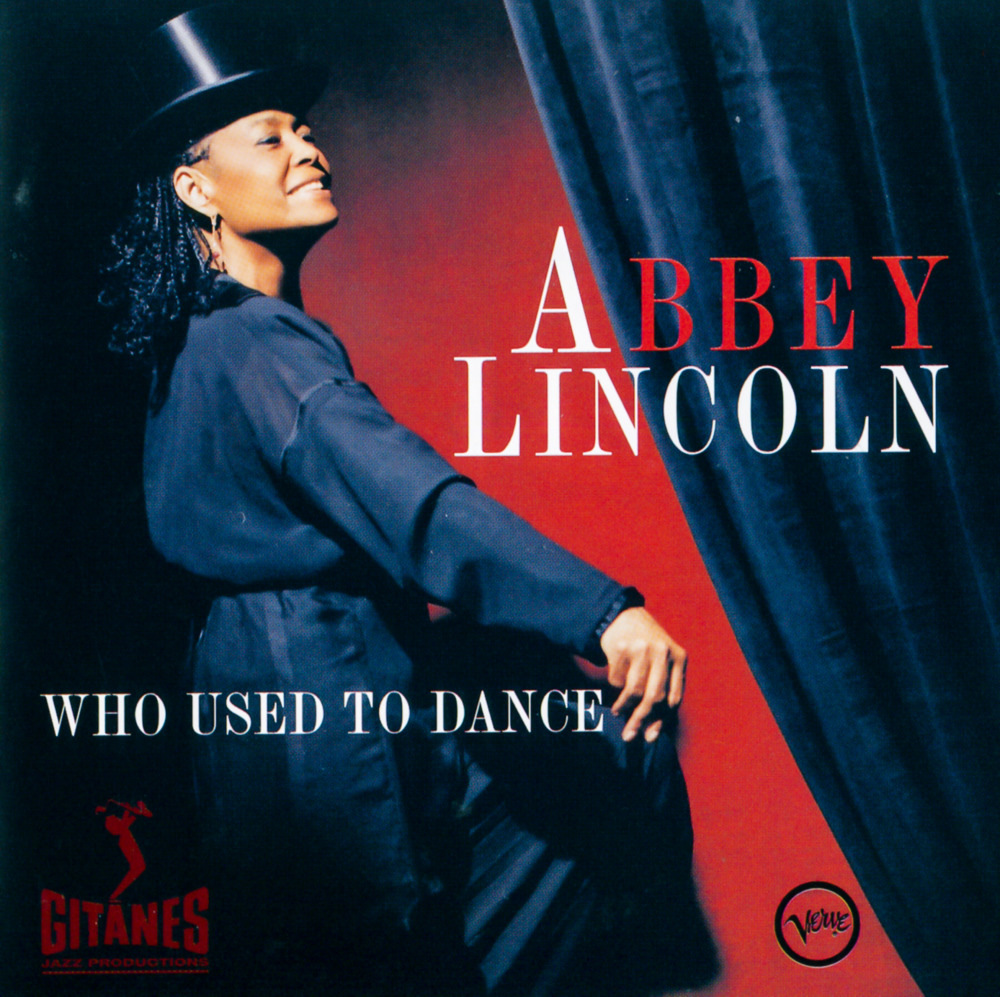
Who Used to Dance
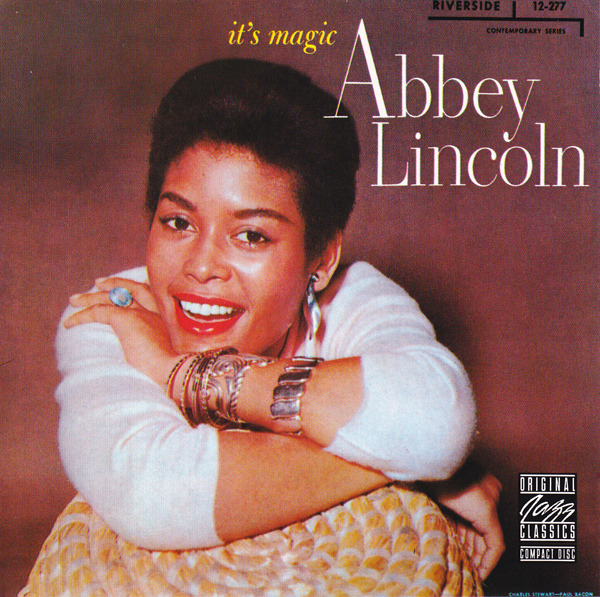
It’s Magic
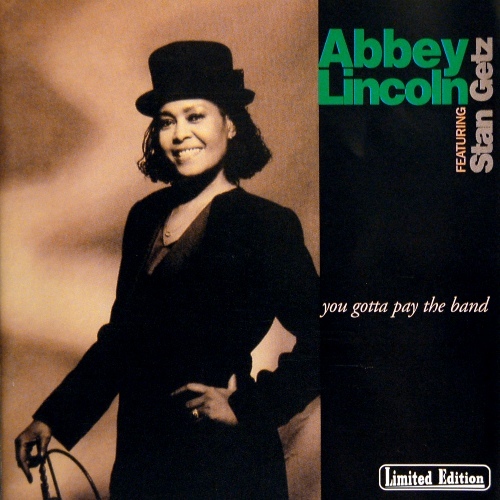
You Gotta Pay the Band
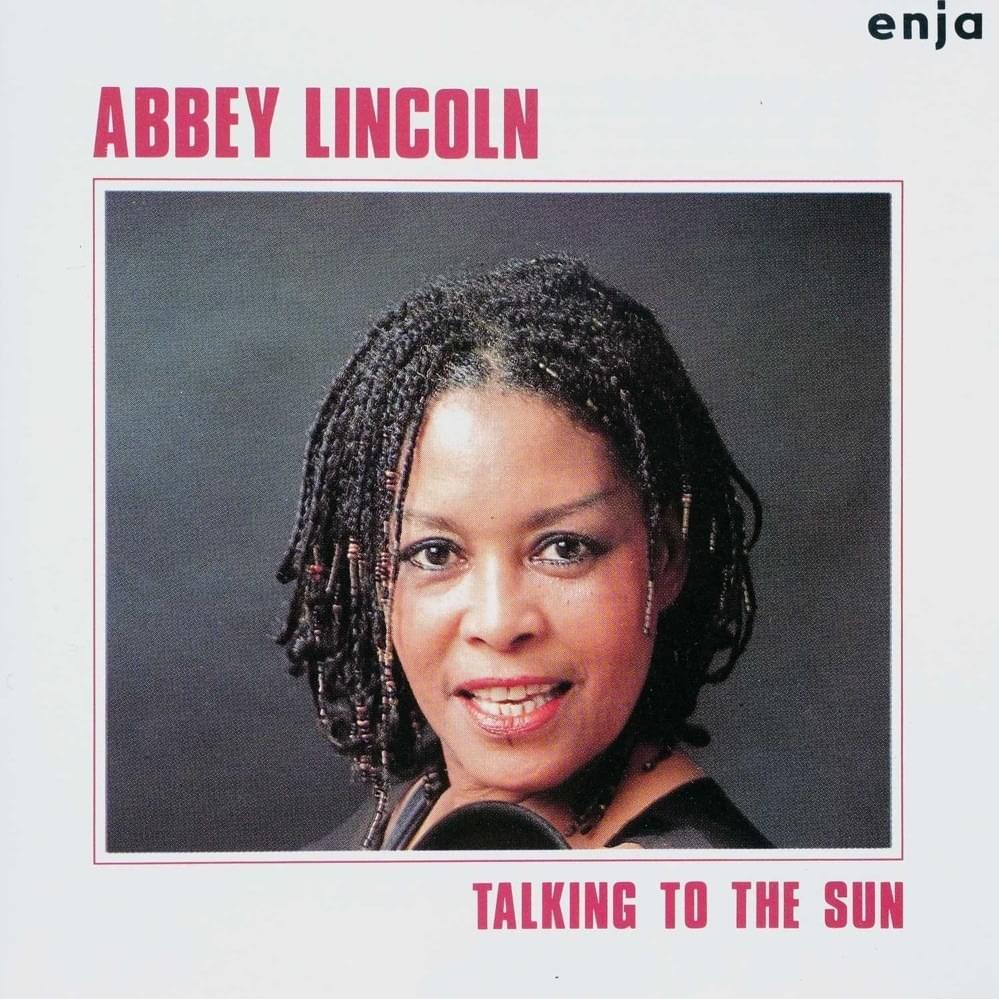
Talking to the Sun
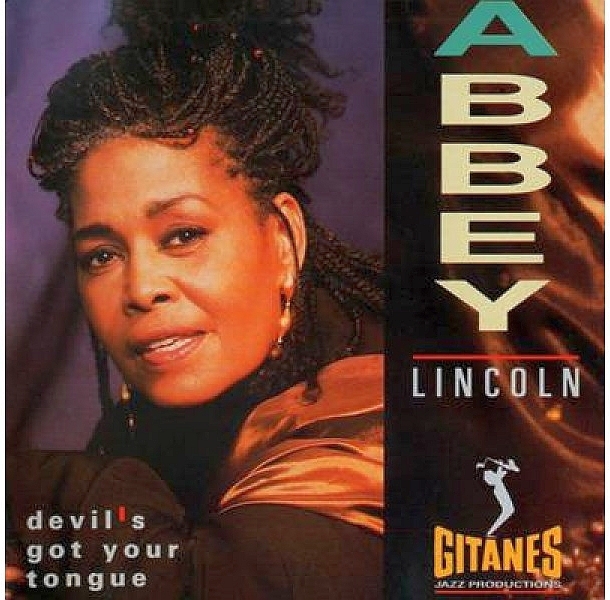
Devil’s Got Your Tongue
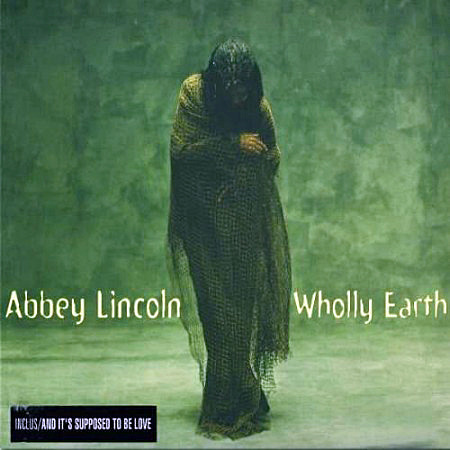
Wholly Earth
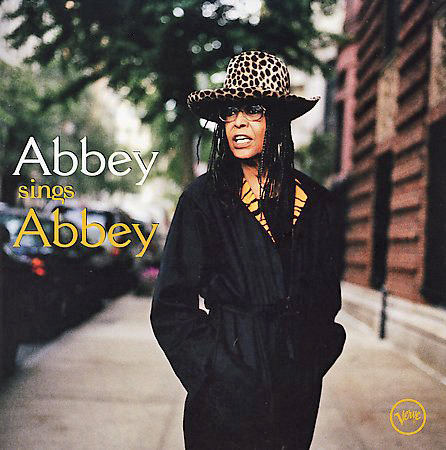
Abbey Sings Abbey
Popular Songs
Reviews
Comments
Questions & Answers
Music Awards
0 Total
No Music Awards Found