Song Meaning
Abbey Lincoln's rendition of "When Malindy Sings" is far more than a simple celebration of natural talent; it's a deeply layered commentary on cultural appropriation, the value of authentic expression, and the spiritual power of Black artistry. The lyrics, written in dialect, immediately establish a specific cultural context, contrasting formal, 'educated' music with the raw, emotive power of Malindy's voice. This isn't merely about technical skill versus inherent ability; it's about who gets to define what 'real' music is and whose voices are deemed worthy of recognition. The opening lines, dismissing Miss Lucy's attempts at mastering music through books and practice, highlight the limitations of a purely academic approach when divorced from lived experience and genuine feeling. Malindy's singing, on the other hand, transcends formal training, resonating from "de kitchen to de big woods," suggesting a connection to both the domestic sphere and the natural world, realms often associated with Black experience in the American South. This music isn't learned; it's lived and breathed.
The song's central tension lies in the juxtaposition of 'learned' music and Malindy's innate gift. The narrator emphasizes that 'real malojous music' isn't about hitting the right notes on a page but about striking the heart and clinging to it. This speaks to the emotional and spiritual depth of Black musical traditions, often overlooked or dismissed by mainstream culture. The descriptions of Malindy's voice as 'sweetah dan de music / Of an edicated band' and 'dearah dan de battle's / Song o' triumph in de lan'' elevate it to a level of profound cultural and spiritual significance. It's not just entertainment; it's a source of solace, strength, and connection to something larger than oneself.
Ultimately, "When Malindy Sings," through Abbey Lincoln's interpretation, becomes a powerful statement about the importance of preserving and celebrating authentic cultural expression. The concluding lines, referencing "Swing Low, Sweet Chariot," further cement this connection to Black spirituals and the enduring legacy of Black music as a source of hope and resilience. The song invites us to consider the ways in which cultural gatekeepers often marginalize or appropriate Black art forms, and to recognize the intrinsic value and transformative power of voices like Malindy's that sing from the soul.
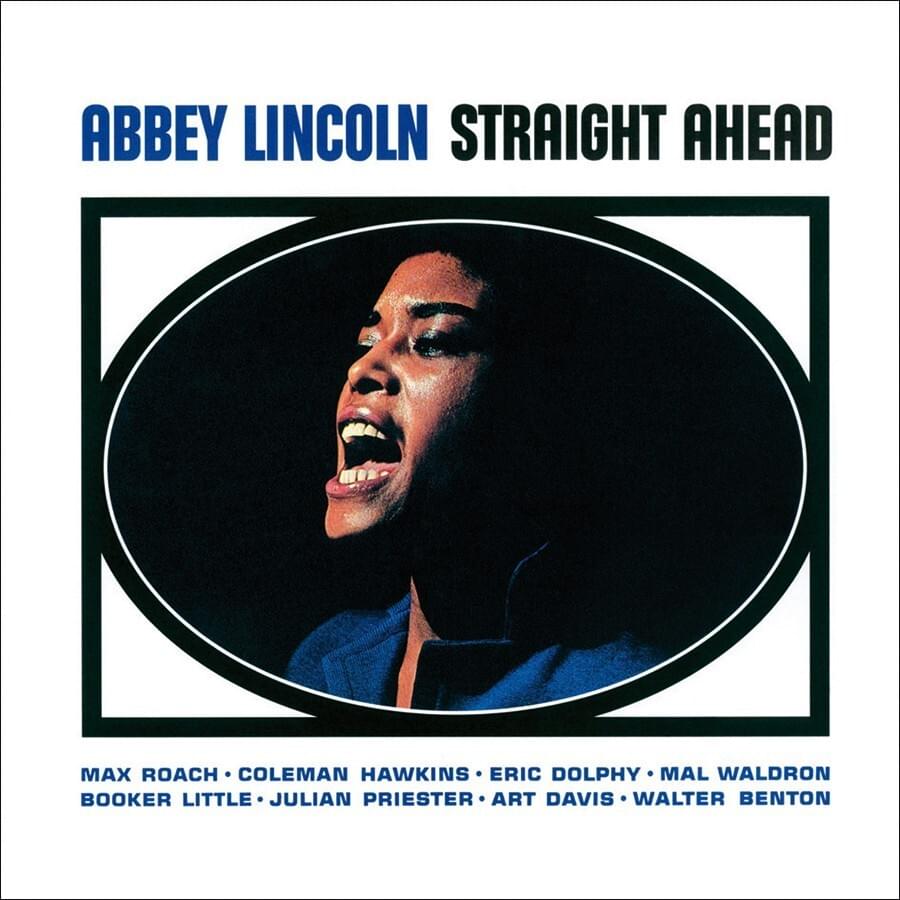
 View Artist