Song Meaning
Abbey Lincoln's rendition of "Thursday's Child" is a masterclass in melancholic defiance, a bluesy assertion of self in the face of predetermined hardship. The song, drawing from the old nursery rhyme, immediately sets a fatalistic tone. Lincoln doesn't just embody the "Thursday's child" archetype; she inhabits it, wrestles with its implications, and ultimately refuses to be defined by its bleak prophecy. The opening lines are deceptively simple, laying out a world where one's fate is sealed at birth, a concept deeply rooted in psychological ideas of early childhood experiences shaping adult identity. But Lincoln's genius lies in transforming this passive acceptance into a form of resistant self-awareness.
The core of the song meaning resides in the stark contrast between the world's potential beauty and the speaker's perceived inability to access it. "This world could be a wonderful place / But not when you wear Thursday's face." This isn't mere self-pity; it's a recognition of how societal perception, fueled by pre-judgment and potentially even self-fulfilling prophecies, can limit one's opportunities and experiences. The "trouble dogs the track" line isn't just about bad luck; it's about the relentless pursuit of negativity, both internal and external. Lincoln subtly hints at the psychological burden of carrying a label, particularly one associated with misfortune. It's a reflection on how labels can become self-imposed prisons.
Yet, within this lament, there's a spark of resilience. The closing lines of the second verse, "I'll always be blamed / For what I was named / But still, I'm not ashamed / I'm Thursday's child," mark a turning point. It's an acceptance of her assigned identity, but also a rejection of its power to diminish her. The "Thursday's child" lyrics, therefore, become an anthem of self-acceptance, a declaration that even in the face of hardship and blame, one can find strength and even pride in their unique, albeit challenging, journey. Abbey Lincoln's interpretation transforms a simple nursery rhyme into a profound meditation on identity, fate, and the enduring human spirit.
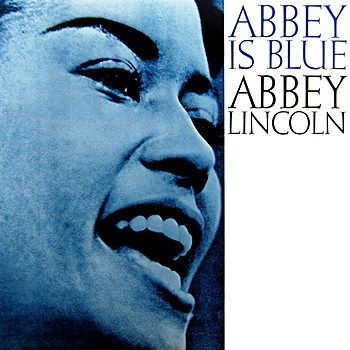
 View Artist