Song Meaning
{"song_id": 12310946, "meaning": "Abbey Lincoln's \"Left Alone\" isn't just a lament; it's a raw, exposed nerve of existential solitude. The simplicity of the lyrics belies a profound depth of feeling, tapping into a universal fear of being fundamentally, irrevocably alone. The song's meaning circles around a yearning for connection, a desperate search for a love that promises permanence and belonging, set against the stark reality of repeated disappointment. Lincoln isn't just singing about romantic isolation; she's articulating a deeper sense of placelessness, a lack of anchor in the world (\"There's no house that I can call my home\"). This is more than heartbreak; it's a crisis of being. The stark repetition of \"I'm left alone, all alone\" becomes a mantra of despair, almost incantatory in its effect.
The lyrical structure itself amplifies the song's emotional core. The verses paint a picture of longing and loss, while the bridge offers a glimmer of hope – the adage to \"seek and find.\" However, this hope is quickly dashed by the acknowledgment that, \"up to now it's not that way.\" This constant oscillation between hope and despair mirrors the psychological torment of loneliness – the constant striving for connection met with the repeated sting of isolation. The \"Saxophone Solo\" isn't merely an instrumental break; it's a visceral expression of the emotions that words can't fully capture – the ache, the yearning, the quiet desperation. It's the sound of solitude given voice.
Ultimately, the song meaning hinges on the tension between acceptance and hope. While Lincoln acknowledges the possibility that fate has already passed her by, she clings to the belief that connection might still be possible (\"Or perhaps we'll meet before I die\"). This delicate balance between resignation and optimism gives \"Left Alone\" its enduring power. It's a song about the pain of being alone, but also about the persistent human need for love and belonging, even in the face of overwhelming odds. The song resonates because it doesn't offer easy answers or sentimental platitudes, but instead confronts the reality of loneliness with unflinching honesty and emotional vulnerability."}
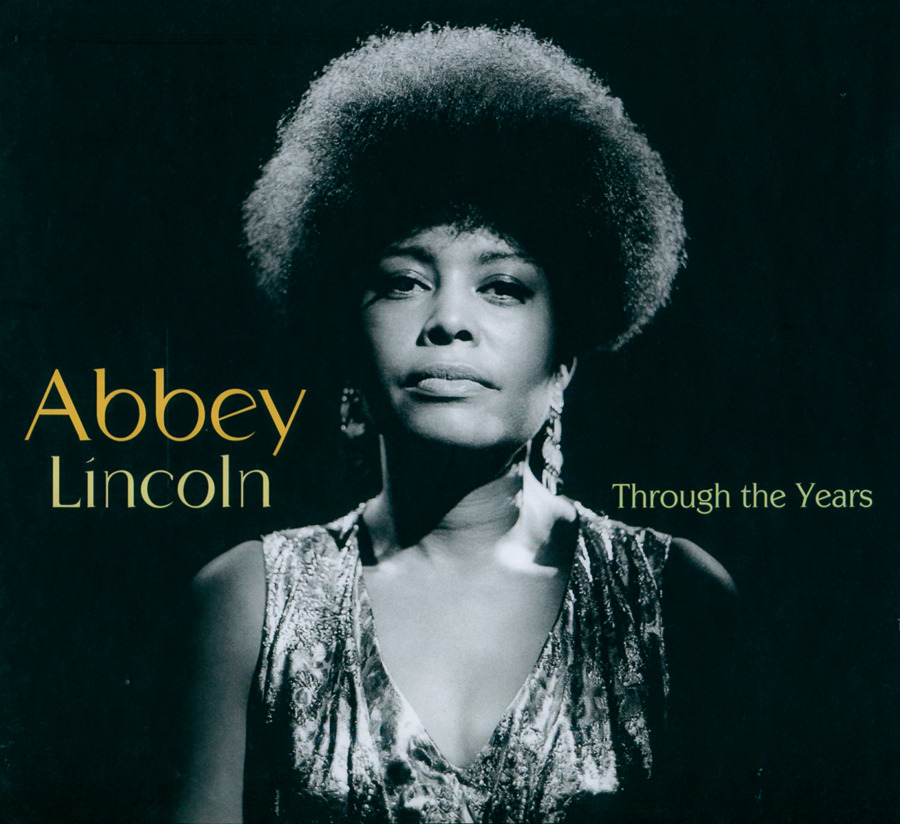
 View Artist