Song Meaning
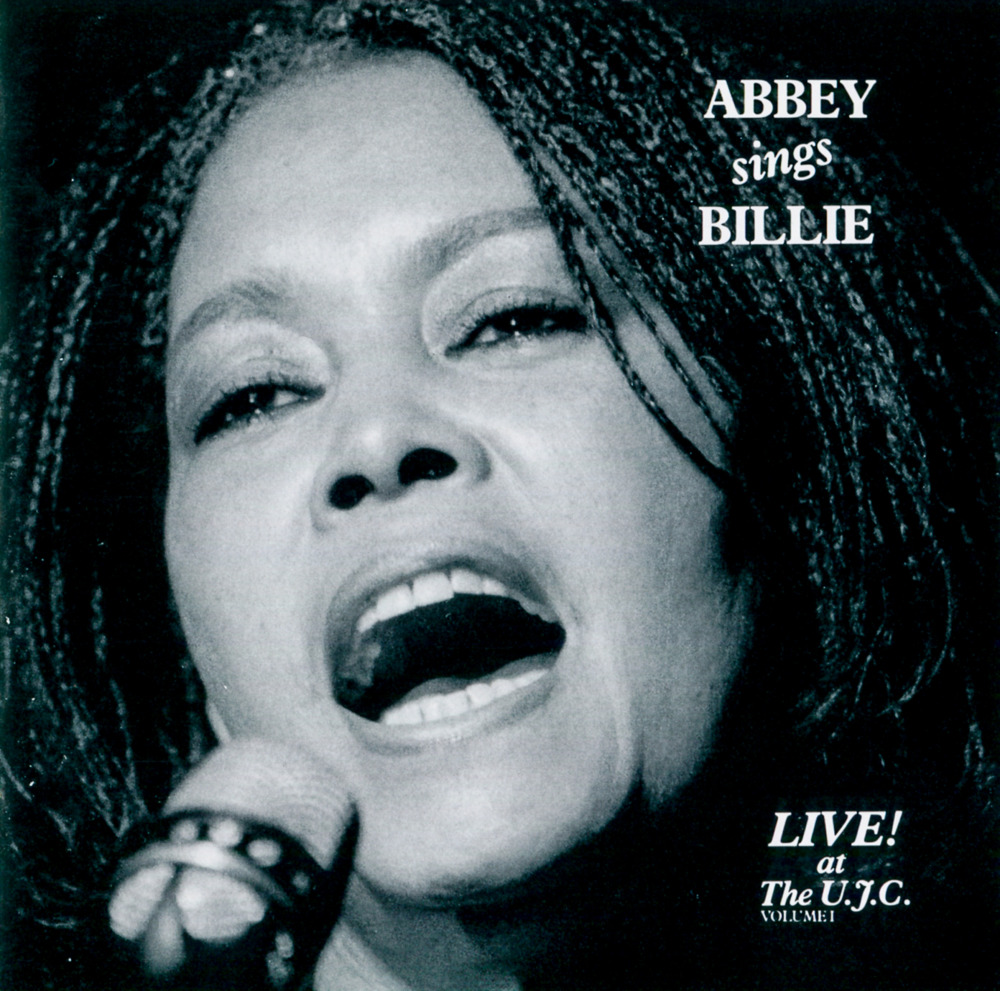
{"song_id": 12310979, "meaning": "Abbey Lincoln's rendition of \"Crazy He Calls Me\" isn't just a jazz standard; it's a masterclass in the psychology of devotion, dissecting the blurry line between love and perceived madness. The lyrics, deceptively simple, paint a portrait of a woman whose identity is almost completely subsumed by her love for another. She declares her willingness to move mountains and walk through fire at his command, an assertion of power that paradoxically reveals a profound vulnerability. The repetition of \"Crazy he calls me / Sure, I'm crazy / Crazy in love, you see\" serves not as a denial, but as an almost defiant embrace of the label, suggesting that societal norms of rationality simply don't apply within the intense logic of her love.
The song's brilliance lies in its exploration of the power dynamics inherent in such intense relationships. The line \"He moves me with a smile, just like the wind that shakes the bough\" is particularly telling. It evokes an image of effortless control, where the object of her affection wields immense influence over her emotional state. This isn't necessarily presented as a negative; instead, it's framed as an intrinsic part of the intoxicating surrender that defines her experience of love. The contrast between tackling the \"difficult\" immediately and postponing the \"impossible\" hints at a practical awareness beneath the surface of this seemingly irrational devotion.
Ultimately, Abbey Lincoln's interpretation of \"Crazy He Calls Me\" transcends a simple love song. It's a nuanced exploration of the female psyche within the confines of a relationship where love becomes the ultimate justification, even for actions that might appear, to an outside observer, as utterly illogical. The song's enduring appeal lies in its unflinching portrayal of a love that borders on obsession, leaving the listener to ponder the true meaning of sanity within the passionate, often bewildering landscape of the human heart. The song meaning, therefore, isn't just about being in love; it's about the performance of love, and how we choose to define ourselves within its often-contradictory parameters."}
 View Artist