Song Meaning
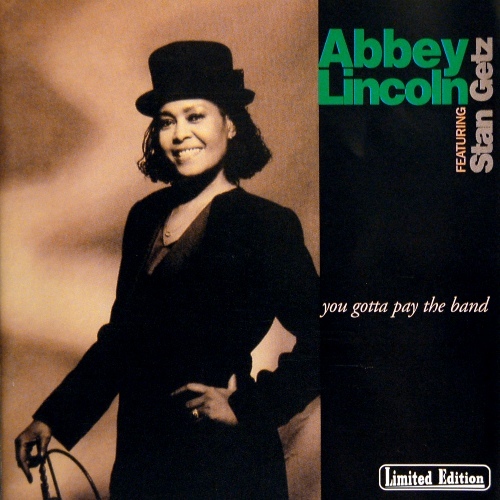
Abbey Lincoln's interpretation of "Brother, Can You Spare A Dime?" isn't just a song; it's a raw, unflinching portrait of disillusionment. Stripped of any sentimental gloss, it’s a stark reminder of the human cost buried beneath the glittering surface of progress and patriotism. The lyrics, delivered with Lincoln's characteristic emotional precision, cut to the bone, exposing the chasm between promise and reality that defined the Great Depression and continues to resonate today. The song meaning revolves around the shattered expectations of the working class, the veterans, the very people who built the nation's infrastructure and fought its wars. They are now rendered invisible, reduced to begging for survival. It's a brutal inversion of the American dream, where hard work and sacrifice lead not to prosperity but to destitution.
The power of "Brother, Can You Spare A Dime?" lies in its directness. There's no complex metaphor, no flowery language, just a series of stark contrasts. The singer recounts past contributions—building railroads and skyscrapers, serving in the military—juxtaposed against their present predicament of utter need. Phrases like "Once I built a railroad, made it run...Brother, can you spare a dime?" are not just lyrics; they are indictments. They question the fundamental fairness of a system that rewards labor with poverty, loyalty with abandonment. The repetition of the question, “Brother, can you spare a dime?” transforms from a plea into a demand, a challenge to the listener's conscience.
Lincoln's nuanced vocal delivery elevates the song beyond a mere historical document. She imbues the lyrics with a quiet dignity, refusing to succumb to self-pity. The inclusion of instrumental solos—tenor saxophone and piano—further amplifies the emotional depth, providing a space for reflection and mourning. These musical interludes aren't mere breaks; they are wordless expressions of the pain and resilience of a generation betrayed. The song isn't simply about economic hardship; it's about the psychological toll of being rendered worthless, of having one's identity reduced to a plea for basic survival. The repeated calling out of “Al,” a common name, personalizes the suffering, reminding us that behind every statistic, every economic downturn, there are individual stories of loss and resilience.
 View Artist