Song Meaning
Abbey Lincoln's 'i wish that i could fall wip 1.mp3' (likely a working title) isn't just a song; it's a stark, unsentimental meditation on the solitary journey of self-discovery. The track, steeped in the blues tradition, dissects the inherent loneliness and persistent effort required to navigate life's complexities. Lincoln doesn't offer platitudes or easy answers. Instead, she acknowledges the 'cost' of independence and the cyclical nature of 'defeat' and perseverance. The repeated phrase 'It takes some doing' underscores the sheer labor involved in simply existing and striving for authenticity. It's a far cry from romantic notions of instant gratification; it's the blues, plain and simple.
The school of life, as Lincoln presents it, is a harsh teacher. 'Learning brings you pain,' she sings, dismissing any illusions of effortless enlightenment. This isn't about academic achievement; it's about the gut-wrenching process of trial and error, the constant ebb and flow of 'loss and gain.' The recurring motif of 'Monkery'—likely a reference to jazz icon Thelonious Monk, known for his idiosyncratic genius and unconventional path—becomes a metaphor for the artist's own lonely road, a 'slow, slow train' chugging along despite the obstacles. It's a path that demands unwavering commitment, a willingness to embrace the discomfort of nonconformity.
Ultimately, 'i wish that i could fall wip 1.mp3' suggests that finding one's 'place in the sun' isn't a matter of luck or privilege but a direct result of the 'dues you pay.' Lincoln equates depth with cost, dismissing anything 'shallow' or 'cheap.' This isn't about material wealth but about the emotional and spiritual investment required to live a meaningful life. The extended vocalizations in the latter part of the song—the 'Ohs' and 'Mmms'—feel like raw expressions of this struggle, wordless cries of both pain and resilience. The song, in its entirety, is a testament to the enduring human spirit, a bluesy acknowledgment that even in solitude, there is strength, and that the very act of 'keeping on from year to year' is a victory in itself.
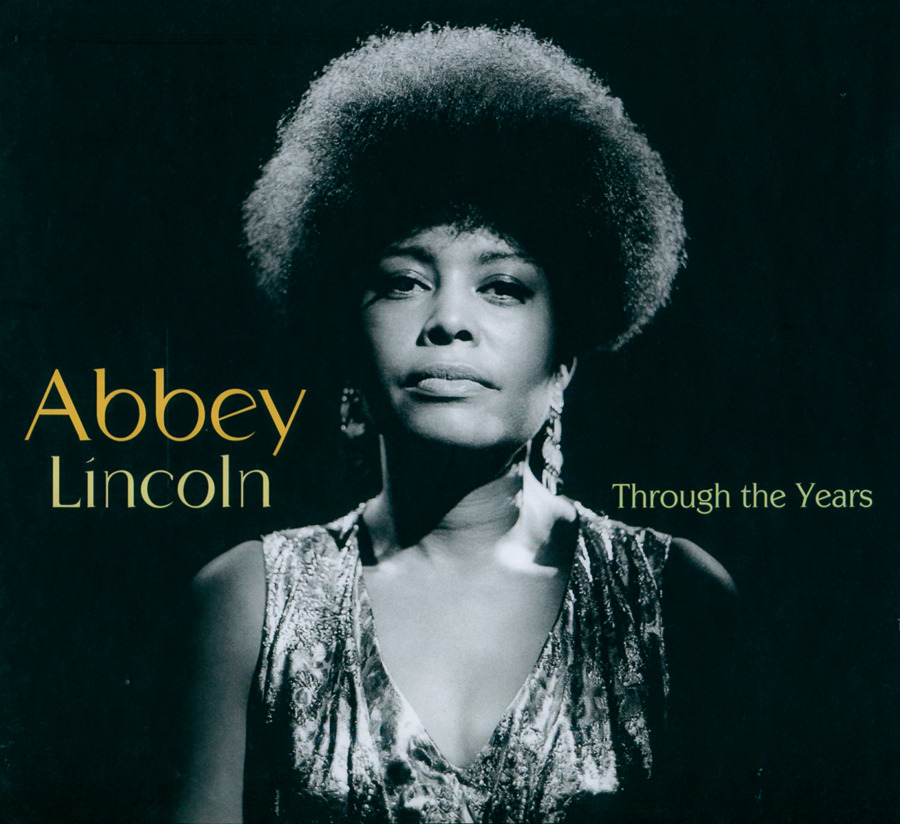
 View Artist