Song Meaning
Aaron Sprinkle's "Solace" isn't a gentle reassurance; it's a raw confrontation with grace. The opening lines establish a cyclical torment, a day lived "a thousand times" that refuses to release its grip. This isn't just weariness; it's a psychological imprisonment, amplified by the haunting presence of "people I will never be." These aren't aspirational figures, but rather phantoms of potential, fueling self-doubt and existential dread. The recurring line, "And it makes me ill the way You love me still," reveals the core conflict. It's not a rejection of love, but a struggle to reconcile it with perceived unworthiness.
The lyrics delve deeper into this internal battle, depicting a fractured self-image. The missing piece "buried in my mind," suggests a fragmented identity, obscured by the sands of time and trauma. The desire to "reach," to "take Your hand," is palpable, but the imagery implies a desperate struggle against a force that holds him back. This force seems to be a self-inflicted wound, a deep-seated belief in his own inadequacy. The childhood memories, far from offering comfort, only intensify the pain. The "perfect ever shaking heart" represents an ideal of unwavering love and stability, now seemingly unattainable.
The culmination arrives with the stark admission that "Solace came with a drop of blood and a taste of shame." This isn't a sentimental notion of redemption; it's a brutal acknowledgement of sacrifice and its accompanying burden. "You took my turn You struck a match and You let it burn" suggests a substitutionary act, a taking on of suffering. The continued refrain, "And it makes me ill the way You love me still," underscores the psychological complexity. It's a love that feels both undeserved and inescapable, a constant reminder of the chasm between self-perception and divine acceptance. "Solace" isn't a resolution, but an unflinching portrait of the disquieting nature of grace.
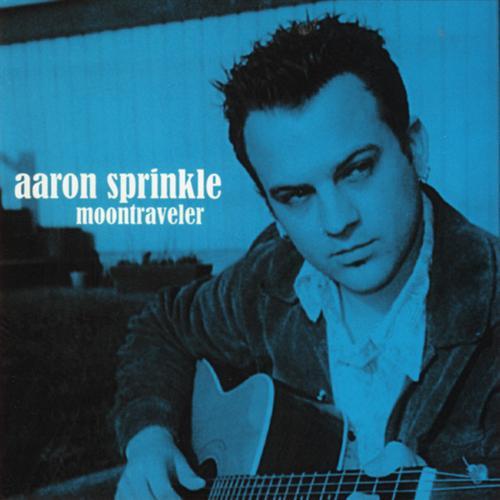
 View Artist