Song Meaning
Aaron Sprinkle's "Not All Bad" isn't just another breakup song; it's a jagged, introspective look at the wreckage left behind when trust implodes. The opening lines immediately establish a sense of betrayal and vulnerability. The singer speaks of 'immunity,' suggesting a fragile protection against emotional harm, while simultaneously fearing the potential reaction of someone who's been wronged. The choice of words, 'what you would do to me,' hints at a deep-seated anxiety and a power imbalance within the relationship. There's a subtle accusation leveled at the other party for choosing to remain in a destructive situation ('you had to stay / With your watered down friends'), implying a shared responsibility for the fallout. This isn't a clean break; it's a messy entanglement of choices and consequences.
The raw nerve of the song surfaces in the pre-chorus, with its stark depiction of emotional turmoil. The lines 'So I cry myself awake / To keep from sleeping all day' paint a picture of someone desperately trying to maintain control, battling insomnia and the overwhelming desire to escape into oblivion. The singer admits to feeling 'borderline / Losing my mind,' acknowledging the precariousness of their mental state. This vulnerability is crucial; it transforms the song from a simple lament into an honest portrayal of psychological distress.
But amidst the darkness, there's a flicker of hope, a recognition that even in the midst of pain, something worthwhile remains. The lyric 'You wrote my name with an underscore / It made me realize what I'm good for' is particularly resonant. The underscore, a subtle form of emphasis, suggests a newfound sense of purpose or identity forged in the crucible of conflict. The repeated refrain 'And it's not all bad' becomes a mantra, a defiant refusal to succumb to despair. The final verse suggests a willingness to rebuild, to seek reconciliation ('I will find you and be / Forever your friend again'), even if the path forward is uncertain and fraught with challenges. This isn't a naive promise of a perfect resolution, but rather a mature acknowledgement that even broken relationships can leave behind valuable lessons and the possibility of a different kind of connection.
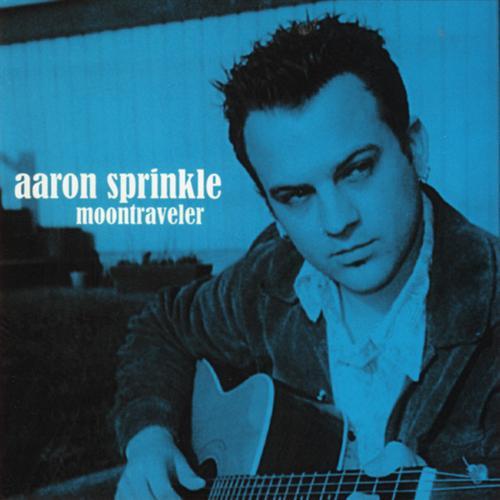
 View Artist