Song Meaning
Aaron Sprinkle's "Motor Cars" is a deceptively simple track that excavates profound themes of emotional exhaustion and the tentative rediscovery of hope. The opening lines, "All this ringing in my ears / Made me numb over the years," immediately establish a sense of prolonged distress, a kind of psychic white noise that has deadened the narrator's capacity for feeling. This numbness, born from years of accumulated stress, hints at a deeper psychological struggle – perhaps depression or a chronic sense of being overwhelmed by the modern world. Yet, within this bleak landscape, a glimmer of change appears: "Lately I can feel a little more of you / In me." This "you" represents a nascent connection, a fragile reawakening of emotional receptivity.
The lyrics delve into self-destructive coping mechanisms: "I've given up unto myself / Drinking from the weakest well." This imagery evokes a sense of settling for less, choosing readily available but ultimately unsatisfying sources of solace. The desire for "peace of mind" becomes paramount, a yearning for respite from the internal turmoil. However, the repeated line, "But I'm fine about it," carries a heavy dose of irony, suggesting a denial of the true depth of the narrator's struggles. It's a classic deflection, a way of minimizing pain to avoid vulnerability.
The recurring motif of "motor cars with racing stripes" obstructing the path to understanding is particularly striking. These "motor cars" symbolize distractions, superficial pursuits, and the relentless noise of modern life that prevents genuine connection and self-awareness. They are the shiny, fast-moving objects that divert attention from what truly matters. However, the crucial turning point arrives with the realization: "This time I can see the very one thing that I need." This "one thing" is left undefined, but the context strongly suggests it is the "you" introduced earlier – a person, a connection, a source of genuine emotional sustenance that cuts through the noise and offers a path toward healing. The final lines emphasize the possibility that this "one thing" could be a redemptive force, a beacon of hope in the face of overwhelming adversity.
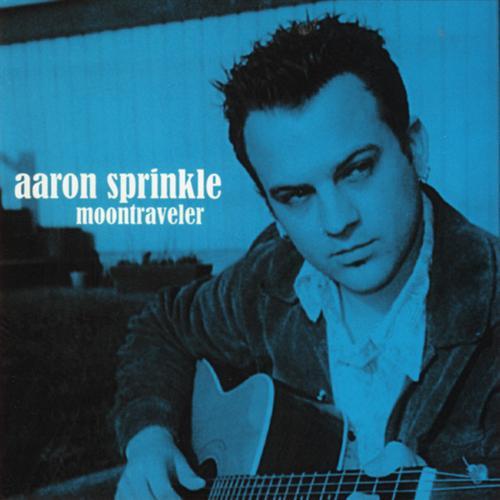
 View Artist